
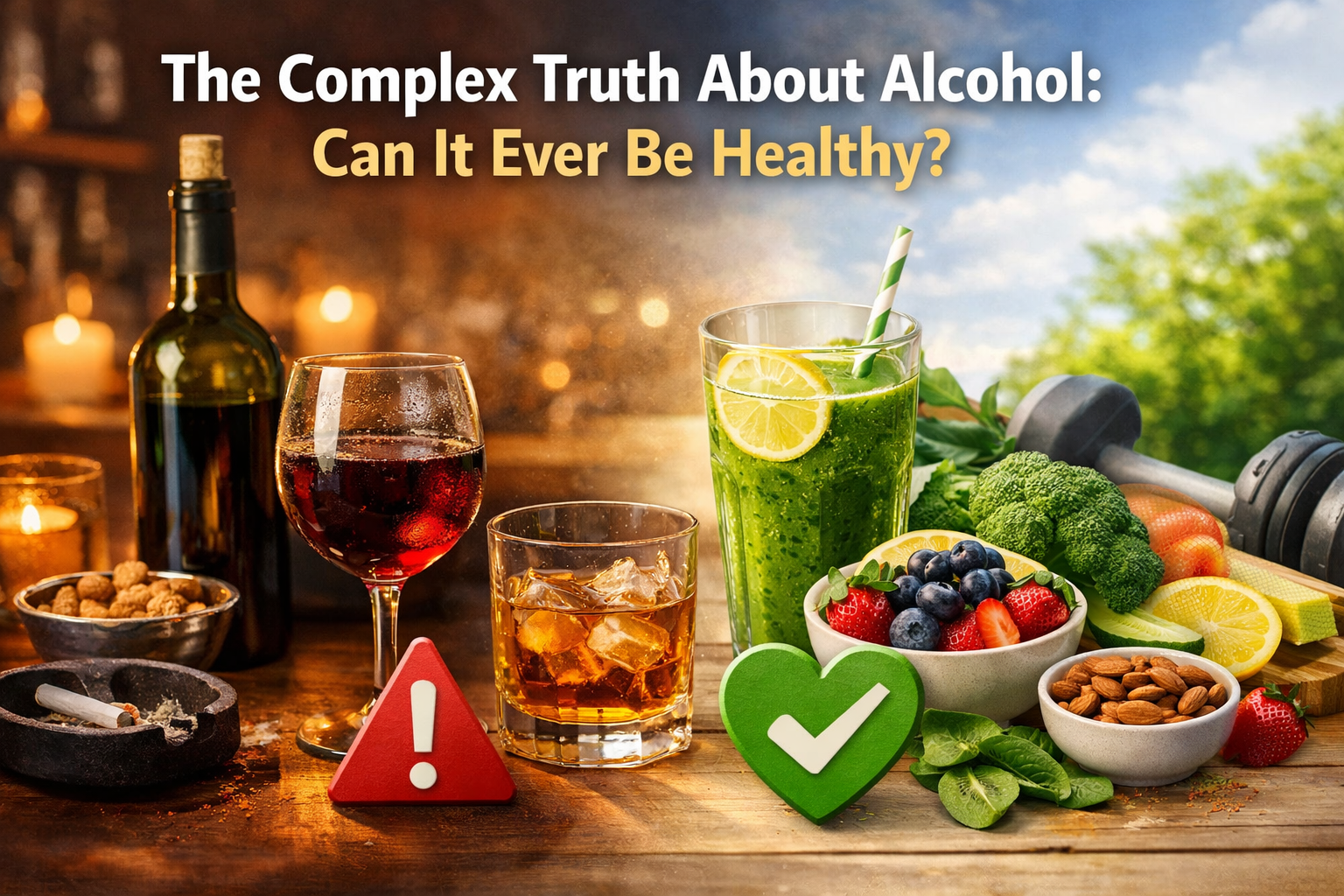
While we have established that alcohol is technically a neurotoxin, the scientific reality of how it interacts with the human body—specifically the gut and heart—is far more nuanced than a simple “good” or “bad” label. Recent research involving thousands of participants has begun to pick apart why certain drinks, like red wine, seem to offer health benefits that others do not.
The Red Wine Exception: It’s About the Microbes
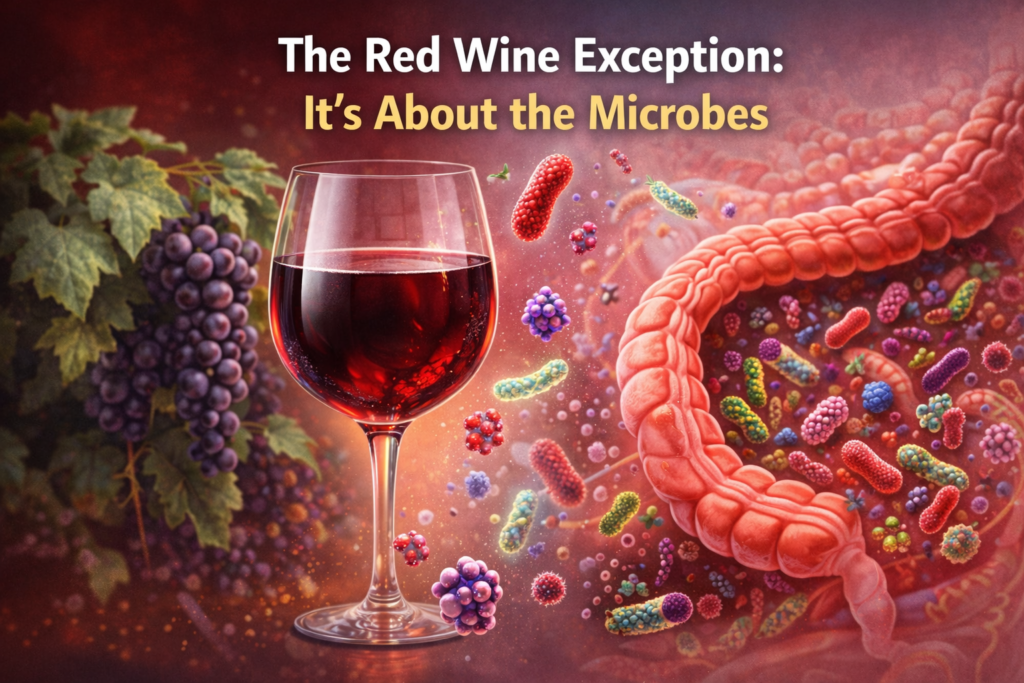
The conflicting headlines we see—claiming one day that alcohol leads to an early grave and the next that a glass of wine protects the heart—can be explained by looking beyond the alcohol content itself and focusing on polyphenols.
Polyphenols are defense chemicals found in plants (originally known as antioxidants). In grapes, these beneficial chemicals are concentrated in the skin. The crucial difference between red and white wine lies in the manufacturing process:
• Red Wine: The grape skins are left in contact with the liquid during fermentation for a long time. This allows the polyphenols to leak into the liquid. Furthermore, the fermentation process causes microbes to multiply these chemicals, resulting in a complex mixture of over 100 different types of polyphenols.
• White Wine: The skins are typically removed early, meaning you would need to drink approximately three times as much white wine to get the same polyphenol dosage as red wine.
These polyphenols act as “rocket fuel” for your gut microbiome. When you drink red wine, you are feeding the good bacteria in your gut. These bacteria, in turn, pay you back by producing substances that help your immune system, heart, and metabolism. This mechanism helps explain the “French Paradox“—the observation that French populations historically had lower rates of heart disease despite diets rich in fats and alcohol.
Large-scale studies across the US and Europe have confirmed that red wine is unique in this regard; it is the only alcoholic drink consistently linked to improved gut diversity. In contrast, spirits and other forms of alcohol generally show a negative correlation with gut health.
The “J-Shaped” Curve and Dosage
When analyzing the health impacts of alcohol, researchers consistently find a “J-shaped curve.”
• Moderate Intake (Bottom of the J): People who drink small amounts (e.g., one to two glasses of red wine) often show better health outcomes—specifically regarding heart disease and diabetes—than those who drink nothing at all.
• High Intake (The Spike): As soon as consumption exceeds this moderate window, the risks for disease and early death rise rapidly.
This delicate balance suggests a trade-off: at low doses, the anti-inflammatory and gut-feeding benefits of the polyphenols in red wine outweigh the toxic effects of the ethanol. However, once the alcohol dosage increases, the toxicity overwhelms any potential benefit, tipping the scale toward damage.
Mechanisms of Action: How Alcohol Affects Blood & Metabolism
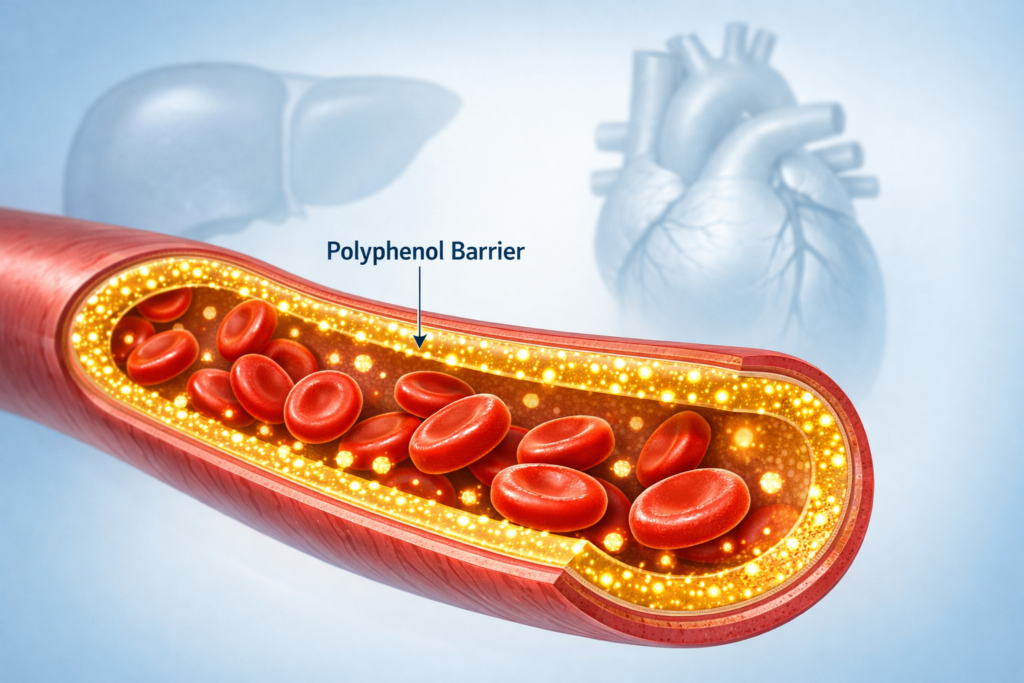
To understand why moderate wine consumption might be protective, we have to look at what happens in the blood vessels after a meal.
1. The “Teflon” Lining Effect The lining of your blood vessels (the endothelium) functions like a non-stick Teflon pan. When you eat a standard meal containing fats and carbs, your body experiences a temporary spike in oxidative stress and inflammation, which can “scratch” this lining, causing it to lose its non-stick function for a few hours.
• The Protective Buffer: Studies show that drinking red wine with a meal attenuates this damage. The polyphenols reduce the oxidative stress and inflammation, preserving the blood vessel lining during that critical post-meal window.
• Spirits vs. Wine: While drinking spirits (like vodka or gin) may raise “good” HDL cholesterol in the long term, they do not offer this immediate anti-inflammatory protection for the blood vessels because they have been distilled, stripping away the beneficial plant compounds.
2. Blood Sugar Variability The impact of alcohol on blood sugar is highly personalized. For some, the sugar in drinks like Prosecco causes a sharp glucose spike. For others, alcohol interferes with the liver’s ability to produce glucose, actually causing blood sugar to dip.
Interestingly, non-alcoholic beers can sometimes cause a higher blood sugar spike than regular beer. This is likely because manufacturers may add sugar to compensate for the flavor lost when removing alcohol, or because the polyphenols in regular beer (which slow down sugar absorption) are absent or altered.
The Hierarchy of Alcohol Quality
If you are going to drink, the goal should be to maximize polyphenols and minimize pure alcohol and sugar. Here is the hierarchy of drinks based on current gut-health science:
1. Red Wine: The gold standard for polyphenol content.
2. Artisan Ciders: Specifically, traditional English-style ciders made from fermenting apples (skin included) can be very high in polyphenols, similar to red wine.
3. Rosé Wine: Sits in the middle ground.
4. Beer: Some traditional Belgian beers and darker ales contain yeast and plant compounds that offer minor benefits, but generally less than wine.
5. White Wine: Low polyphenol count.
6. Spirits (Vodka, Gin, Whiskey): The “bottom tier” for health. Distillation removes the beneficial plant chemicals, leaving only the ethanol (the toxin). While a whiskey might smell aromatic, nutritionally, the “good stuff” is gone.
When to Avoid Alcohol Completely
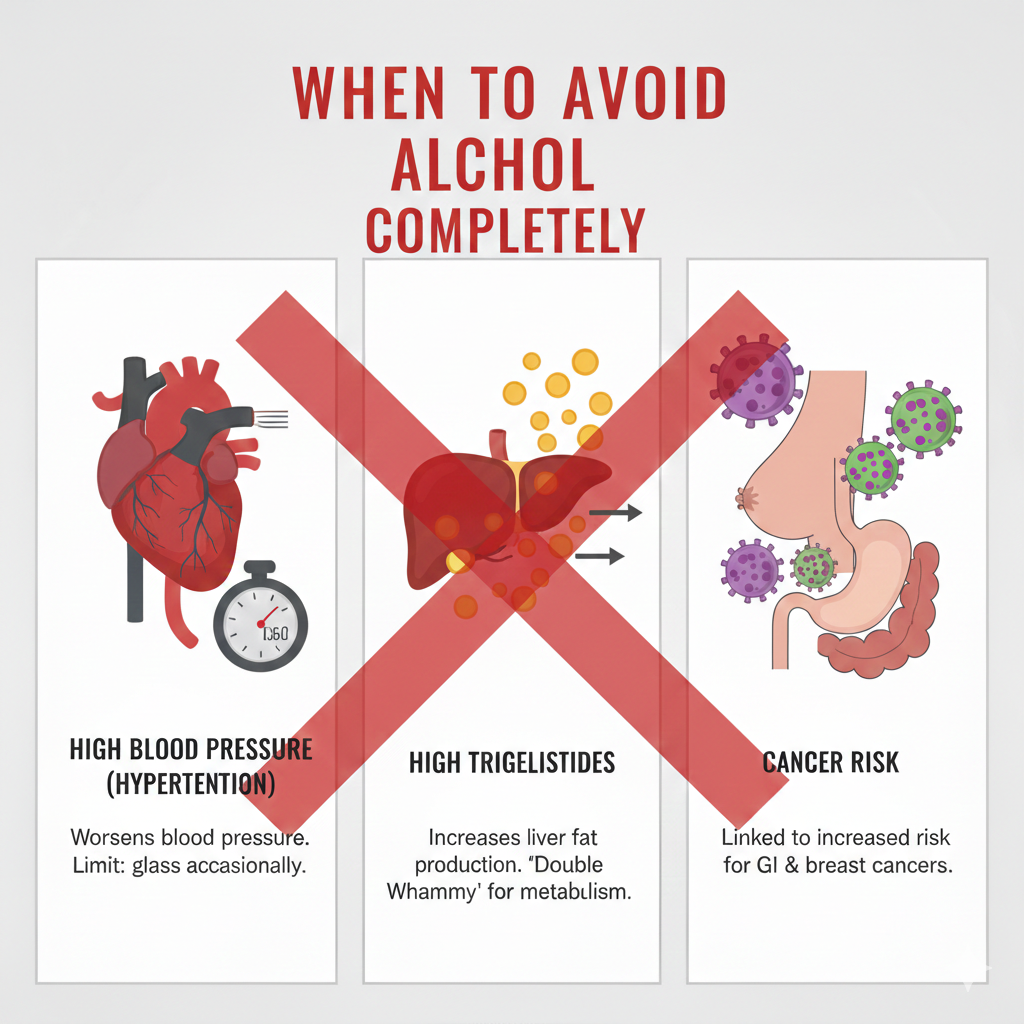
Despite the potential benefits of red wine, there are specific health profiles where the risks outweigh the rewards, and the “J-shaped curve” does not apply:
• High Blood Pressure (Hypertension): Even moderate alcohol intake can worsen blood pressure. The safe limit for these individuals is much lower, perhaps only a glass occasionally rather than daily.
• High Triglycerides: Alcohol increases the liver’s production of triglycerides and stops the body from breaking down fat from food. If you have high blood lipids, alcohol is a “double whammy” for your metabolism.
• Cancer Risk: For certain cancers, particularly those of the gastrointestinal tract and breast, even moderate alcohol consumption is linked to increased risk.
A Note on Organic and Natural Wines
There is a growing movement toward natural wines (fermented without additives, often with wild yeast) and organic wines (no pesticides). While hard evidence is still emerging, the theory is sound: fewer chemicals like glyphosate (herbicides) mean less disruption to the gut microbiome. Natural wines, which are often cloudy and contain sediment, may act similarly to kombucha, providing a “live” product that is gentler on the body than mass-produced, sterile wines.
Conclusion: Context is Key
Ultimately, biology is not the only factor. In the “Blue Zones” (areas where people live longest), alcohol is often consumed socially, in moderation, and with meals. The stress-reducing benefits of socializing and the enjoyment of a ritual likely contribute to health just as much as the chemistry of the drink. If you drink, do so for the ritual and the taste, prioritize red wine or artisan cider, and always eat food alongside it to protect your metabolism.
Also Read:






2 Comments on “The Complex Truth About Alcohol: Can It Ever Be Healthy?”