
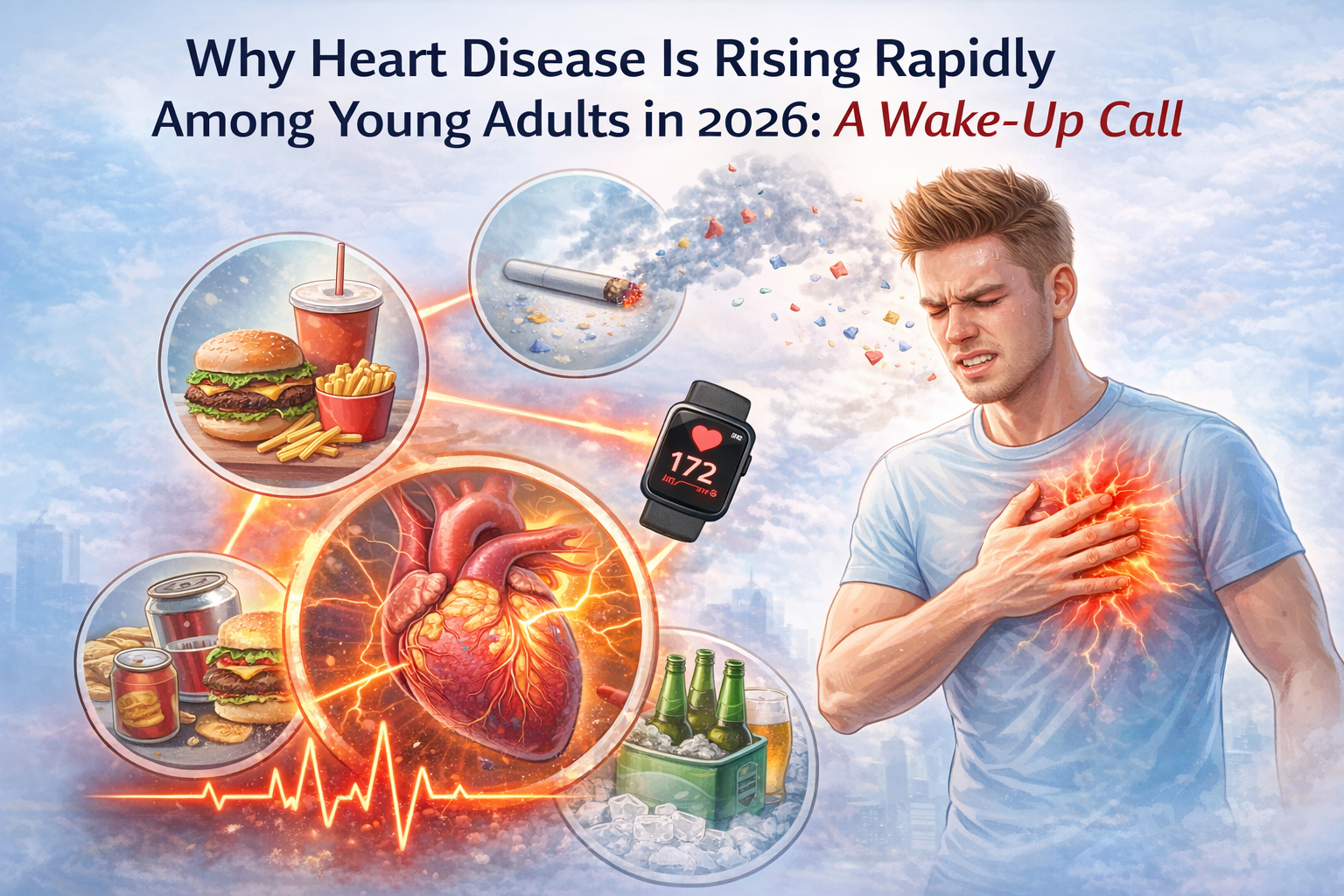
We used to consider heart disease a problem strictly for old age. However, today we are witnessing a growing public health crisis where heart disease is affecting young adults at an alarming rate. Shocking new trends reveal that people in their 20s and 30s are now facing heart attacks, high blood pressure, and blocked arteries—conditions that were once incredibly rare for this age group,. As doctors and researchers, we are forced to ask: what is driving heart disease earlier than ever before?
In this article, I will break down exactly why this is happening, the warning signs we need to watch for, and the steps we must take to protect ourselves.
The Alarming Statistics
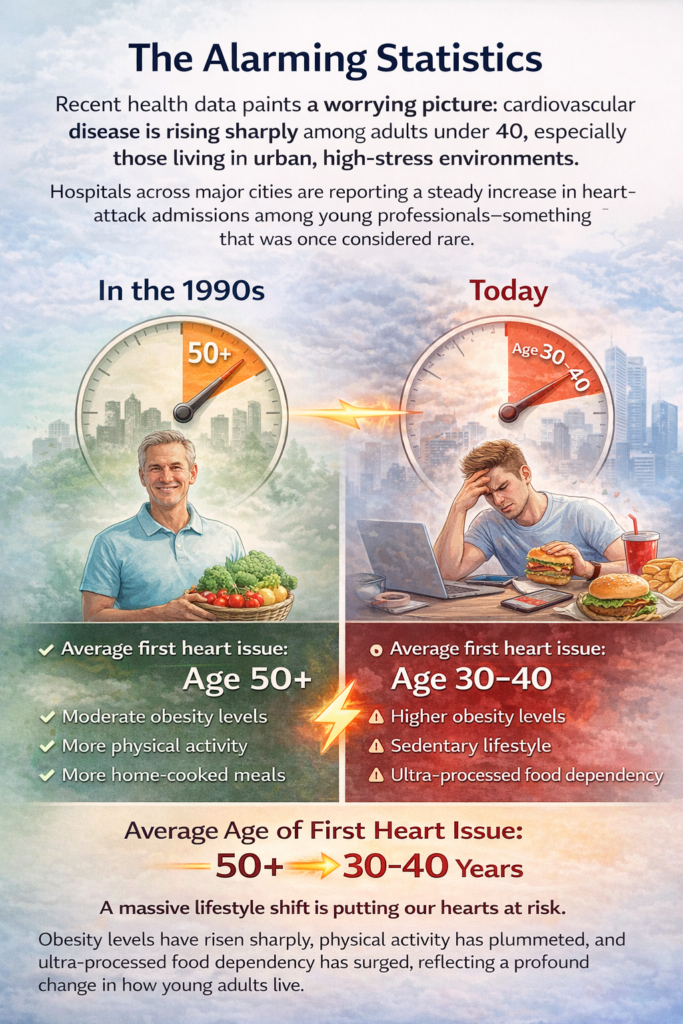
Recent health data reveals a troubling rise incardiovascular issues among people under 40, particularly those of us living in urban and high-stress environments. Hospital admissions for heart attacks in young adults have steadily increased over the last decade.
When we compare the past to the present, the shift is dramatic. In the 1990s, the average age for a first heart issue was over 50; today, it is between 30 and 40. While obesity prevalence was moderate and physical activity was regular back then, today we see high obesity rates, declining physical activity, and excessive intake of processed foods. These numbers highlight a massive lifestyle and environmental shift that is putting our hearts at risk.
The Major Drivers of Early Heart Disease
1. Sedentary Lifestyle: The Silent Killer We must accept that “sitting is the new smoking for the heart”. One of the biggest contributors to this crisis is prolonged inactivity. Our daily lives have been taken over by desk jobs, remote work, binge-watching, and excessive screen time. This lack of movement leads to poor blood circulation, weight gain, insulin resistance, and increased cholesterol levels. It is important to note that even young adults who appear “fit” can harbor underlying cardiovascular risks if they are inactive.
2. Processed Foods and Poor Dietary Habits Ultra-processed foods now dominate our modern diets. We are consuming fast food, sugary drinks, packaged snacks, and refined carbs in excess. These foods are high in trans fats, excess sodium, added sugars, and artificial preservatives. Over time, adhering to such a diet damages our blood vessels, raises blood pressure, and promotes inflammation—all key drivers of heart disease. In contrast, a diet of whole foods carries a low heart risk, while balanced home-cooked meals offer moderate risk, and fast food presents a high risk.
3. Chronic Stress and Mental Health We are facing unprecedented stress levels today due to career pressure, financial instability, student debt, and the constant pressure of social media comparison. This chronic stress triggers the release of cortisol, a hormone that raises blood pressure, increases abdominal fat, and accelerates arterial damage,. We cannot ignore mental health; ignoring it directly harms the heart.
4. Smoking, Vaping, and Substance Use While traditional smoking has declined, we have seen a surge in vaping and nicotine alternatives among younger populations. Many of us falsely believe vaping is harmless, but research suggests it increases heart rate, raises blood pressure, and damages blood vessels. When combined with alcohol and recreational drug use, these habits significantly elevate our risk.
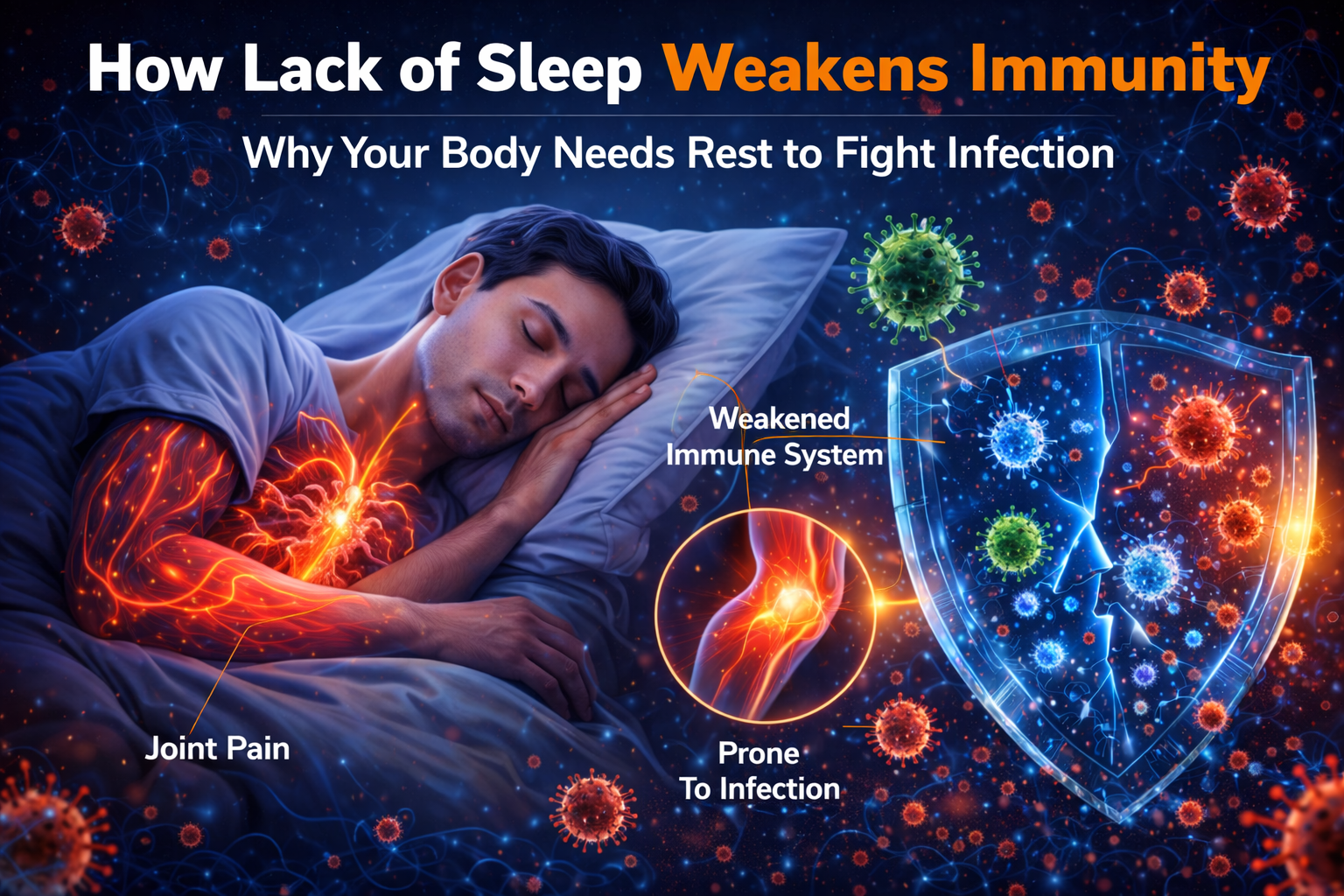
5. Poor Sleep and Irregular Routines Sleep deprivation is a factor we often overlook. Late-night scrolling, shift work, and irregular sleep cycles disrupt our heart rhythms and metabolism. Consistently sleeping less than 6 hours per night can increase hypertension, raise inflammation markers, and increase the risk of a heart attack. Poor sleep quality is a major contributor to heart disease.
6. Genetics, COVID-19, and Missed Screenings Family history plays a role, but genetics alone cannot explain this rapid rise; the real issue is our genes interacting with unhealthy lifestyles. Furthermore, emerging evidence suggests that post-viral inflammation and long-term complications from the COVID-era pandemics may have increased cardiovascular vulnerability in younger populations. Unfortunately, many of us skip regular health screenings, allowing silent conditions like high cholesterol or hypertension to go unnoticed until it is too late.
Warning Signs We Cannot Ignore
Doctors are seeing heart-related conditions in people as young as their late 20s and early 30s, and sometimes even in the early 20s. We need to be aware of the early warning signs, which many young adults mistakenly dismiss as stress or lifestyle fatigue. These symptoms include:
• Chest discomfort
• Shortness of breath
• Extreme fatigue
• Irregular heartbeat
• Dizziness
• Unexplained anxiety.
How We Can Protect Our Hearts
Prevention is our most powerful solution. Small changes can make a big difference in reversing these risks. To protect our hearts, we should:
• Exercise: Aim for at least 150 minutes per week.
• Improve Diet: Eat more fruits, vegetables, and whole grains while reducing processed food intake.
• Prioritize Sleep: Get 7–8 hours of sleep daily.
• Manage Stress: Actively practice stress management.
• Avoid Toxins: Avoid smoking and vaping.
• Get Checked: Regular health checkups are vital. Blood pressure, cholesterol, and blood sugar tests can detect silent risk factors early.
Heart disease in young adults is no longer rare—it is a clear warning sign of how modern lifestyles are reshaping our health outcomes. Early awareness allows us to make lifestyle changes before permanent damage occurs, significantly reducing the chances of heart attacks and strokes. By recognizing these risks early and making conscious choices today, we can save our lives tomorrow.
Frequently Asked Questions
1. Why are heart attacks becoming more common in people under 30? The rise is primarily driven by a combination of extreme sedentary behavior (the “sitting is the new smoking” effect), high consumption of ultra-processed foods, and chronic mental stress. These factors lead to early-onset hypertension and cholesterol buildup that was previously seen only in older generations.
2. Can vaping really cause heart disease in young adults? Yes. While often marketed as a “safer” alternative to smoking, vaping delivers nicotine and other chemicals that increase heart rate, stiffen arteries, and raise blood pressure, significantly elevating the risk of cardiovascular events over time.
3. What are the “silent” symptoms of heart issues I shouldn’t ignore? Beyond chest pain, young adults should watch for unexplained extreme fatigue, persistent dizziness, shortness of breath during mild activity, and sudden bouts of anxiety that feel physical in nature.
4. How much exercise do I actually need to protect my heart? Health experts recommend at least 150 minutes of moderate-intensity aerobic activity (like brisk walking or cycling) per week, combined with muscle-strengthening activities at least two days a week.
5. Does COVID-19 have a long-term impact on heart health for the youth? Emerging research suggests that post-viral inflammation from the COVID-19 era may have left some individuals with increased cardiovascular vulnerability. This makes regular screenings and a heart-healthy lifestyle even more critical for the “pandemic generation.”
6. Can a “fit” person still have heart disease? Yes. Being thin or appearing “fit” does not always mean your internal cardiovascular health is optimal. Poor diet, high stress, lack of sleep, and genetic predispositions can cause “silent” issues like high cholesterol or arterial plaque even in lean individuals.


2 Comments on “Why Heart Disease Is Rising Rapidly Among Young Adults in 2026: A Wake-Up Call”