

The recent detection of the Nipah Virus (NiV) in West Bengal has sparked global attention. While health authorities have moved quickly to contain the situation, it is vital for residents and travelers to stay informed about the facts.
As of February 3, 2026, the outbreak remains localized, and there is no evidence of community spread. Below is a comprehensive guide to the current situation, symptoms, and safety measures.
The Current Situation: West Bengal Update (February 2026)
In late January 2026, the National Centre for Disease Control (NCDC) confirmed two cases of Nipah Virus in Barasat, North 24 Parganas district.
- The Patients: Both individuals are 25-year-old nurses working at the same private hospital.
- Status: One patient (male) has shown significant clinical improvement, while the second patient (female) remains in critical condition under intensive care.
- Containment: In a massive public health effort, authorities traced and tested 196 primary contacts. All contacts have tested negative, indicating that the virus has not spread into the wider community.+1
Health agencies, including the WHO and the Indian Ministry of Health, have classified the risk as moderate at the sub-national level but low nationally and globally.
What is Nipah Virus?
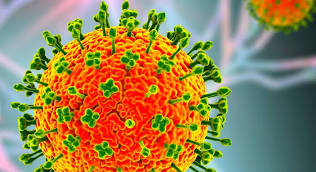
As per the official defination Nipah virus is a bat-borne, zoonotic virus that causes Nipah virus infection in humans and other animals, a disease with a very high case fatality rate. Numerous disease outbreaks caused by Nipah virus have occurred in India, Malaysia and Singapore.
How Does Nipah Spread? The Danger of Raw Date Palm Sap
- Animal to Human: Direct contact with infected bats or pigs, or their body fluids (saliva, urine).
- Contaminated Food: Consuming fruit partially eaten by bats or drinking raw date palm sap contaminated by bat droppings.
- Human to Human: Close contact with the respiratory droplets or bodily fluids of an infected person, often occurring in family or hospital settings.
Early Symptoms of Nipah Virus: Fever, Headache, and Confusion
The incubation period (time from infection to feeling sick) usually ranges from 4 to 14 days, though it can be as long as 45 days in rare cases.
Early Symptoms (Flu-like):
- High fever and chills
- Severe headache
- Muscle pain (myalgia)
- Sore throat and persistent cough
- Vomiting and nausea
Severe/Late-Stage Symptoms:
- Encephalitis: Swelling of the brain leading to confusion, disorientation, or drowsiness.
- Seizures: Can progress to a coma within 24–48 hours.
- Respiratory Distress: Acute breathing difficulties or pneumonia.
Prevention Guidelines: How to Stay Safe During the Outbreak
There is currently no licensed vaccine or specific cure for Nipah Virus; treatment consists of intensive supportive care. Prevention is your best defense.
1. Food Safety
- Avoid Raw Sap: Do not consume raw date palm juice/sap, as bats often visit these collection sites.
- Wash and Peel: Thoroughly wash all fruits and peel them before eating.
- Discard Bitten Fruit: Never eat fruit that shows signs of bird or animal bites.
2. Personal Hygiene
- Handwashing: Regularly wash hands with soap and water after visiting hospitals or caring for the sick.
- Avoid Roosting Sites: Stay away from areas where fruit bats are known to congregate (e.g., old wells, certain fruit trees).
3. Healthcare Precautions
- If you are a healthcare worker, strictly follow Infection Prevention and Control (IPC) protocols, including using N95 masks, gloves, and gowns when treating patients with respiratory or neurological symptoms.
Is it safe to travel to West Bengal?
Yes. Currently, the Government of India has not recommended any travel or trade restrictions. Neighboring countries like Thailand and Nepal have initiated precautionary screenings at airports, but this is a standard measure for early detection.
Important Note: Rely only on verified information from the Ministry of Health and Family Welfare (MoHFW) or the WHO. Avoid sharing unverified social media alerts that may cause unnecessary panic.
FAQs:
Q: How many Nipah cases have been found in West Bengal in 2026?
- A: As of early February 2026, two confirmed cases have been reported in the Barasat area of North 24 Parganas district.
Q: How does the Nipah virus spread to humans?
- A: It primarily spreads through direct contact with infected fruit bats, pigs, or their body fluids (like saliva or urine). Consuming raw date palm sap contaminated by bats is a common cause in this region.
Q: What are the first symptoms of Nipah?
- A: Symptoms typically appear in 4-14 days and include fever, headache, muscle pain, vomiting, and sore throat. Severe cases can lead to encephalitis (brain swelling) and seizures.
Also Read:







3 Comments on “Nipah Virus Outbreak West Bengal 2026: Prevention, Symptoms & Guidelines”