
The “Gupta Uncle” Paradox .Why Cancer Seems Random
We’ve all heard the story, or maybe even said it ourselves: “Look at Gupta Uncle. He never smoked, never touched alcohol, lived a saintly life, yet he got cancer. Meanwhile, someone else smokes a pack a day and lives to be 90.”
It feels unfair, random, and terrifying. This paradox makes us wonder: Is cancer just bad luck? Or is there a method to this madness? The truth lies hidden inside the microscopic universe of our own bodies—a battle between regeneration and mutation that happens every single second of your life.
In this article we will learn what is cancer, what causes cancer, cancer myths and its prevention.
What Actually Causes Cancer? The Science of Cell Rebellion
At its core, cancer is not an outside invader like a virus or bacteria; it is a rebellion from within. It happens when our own body’s cells stop following the rules.
Normally, cells grow, divide, and die in a controlled manner. Cancer begins when a single cell’s “instruction manual” (its DNA) gets corrupted. Instead of dying when it’s old or damaged, this rebellious cell starts multiplying uncontrollably, forming a tumor that can eventually spread (metastasize) to other parts of the body, disrupting essential functions.
How Cancer Starts: DNA Mutation and the p53 Gene
To grasp how cancer starts, we have to look at the incredible machinery of cell regeneration.
Cell Regeneration: The Cycle of Life
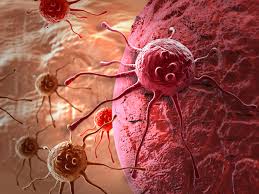
Every day, roughly 330 billion cells in your body die and are replaced by new ones.
- Skin Cells: Replaced every 4 weeks.
- Stomach Lining: Renewed every 5-7 days.
- Red Blood Cells: Last about 120 days.
- The Liver: The superstar of regeneration. You can cut away 90% of the liver, and it can grow back—similar to a lizard’s tail!
This constant renewal is powered by Stem Cells, the raw materials of the body that can transform into specialized cells.
Gene Mutation: When Instructions Go Wrong
Think of your genes as software code. Every time a cell divides, it has to copy this code. Occasionally, a typo occurs—this is a mutation. Most of the time, these errors are harmless, but sometimes they scramble the critical instructions that tell a cell when to stop growing.

Defense Failure: The Security Breach
Our body actually has a brilliant 3-layer security system to catch these “typos”:
- The Security Guard (p53 Gene): Spots damaged DNA and tries to repair it.
- The Filter: Detects if a cell is too damaged and orders it to commit suicide (a process called apoptosis).
- The Mechanic: specialised genes that fix breaks in the DNA strands.
Cancer occurs when the security system itself gets compromised. When the “Security Guard” or “Filter” genes mutate and fail, the damaged cells are allowed to survive and multiply unchecked.
Here is a high-quality, human-written style article based on the video content, complete with hooks, proper formatting, and key takeaways.
The 3 Main Triggers: Biological Luck, Genetics, and Lifestyle
Why do these mutations happen? The causes generally fall into three buckets:
- Biological Luck (Age): As we age, our cells divide more times, increasing the chance of copying errors. This is why cancer risk rises drastically after age 50.
- Inheritance: Genes passed down from parents.
- External Factors: Lifestyle and environment (the ones we can control).
Is Cancer Hereditary? The Truth About “Bad Genes”
Many people fear that cancer runs in the family. While true, it is less common than you might think. Only 5% to 10% of all cancer cases are due to inherited genetic mutations.
In these cases, a person is born with a “security guard” gene that is already faulty. For example, certain conditions like Thalassemia (a blood disorder) can increase cancer risk because the body has to work overtime to produce blood cells, increasing the chances of errors. While we cannot change our genetics, knowing your family history is crucial for early screening.
How to Prevent Cancer: 5 Proven Lifestyle Changes
Here is the good news: According to the American Cancer Society, around 42% of cancer cases are preventable via lifestyle changes. You cannot stop aging or change your parents, but you can control these five factors:
1. Avoid Tobacco and Alcohol
- The Stats: Smoking alone accounts for 19% of all cancer cases. Alcohol contributes another 5.6%.
- The Reality: Smoking doesn’t just cause lung cancer; it triggers 16 different types. Alcohol damages the liver and increases the risk of breast and esophageal cancers.
2. Maintain a Healthy Weight
- The Stats: Obesity is linked to 7.8% of cancer cases.
- The Action: Excess body fat causes chronic inflammation and alters hormone levels that can spur tumor growth.
3. Sun Safety: Protecting Skin from UV Radiation
- The Stats: UV rays cause 4.7% of cases (Skin Cancer).
- The Action: Avoid direct sun exposure between 10 AM and 4 PM when UV index is highest. If you must go out, use sunscreen. Repeated sunburns directly damage the DNA in skin cells.
4. Diet Matters: Go Natural
- The Stats: Poor diet and inactivity cause about 5% of cases.
- The Action: Reduce processed foods containing carcinogens (like certain preservatives in breads or artificial colors in street food). Focus on a plant-based diet rich in fruits, vegetables, and whole grains.
5. Physical Activity
- The Action: Exercise does more than build muscle; it boosts the immune system. A mix of cardio, stretching, and strength training is ideal.
Note: Protect yourself from viral infections like Hepatitis B and HPV via vaccination, as these viruses are responsible for a significant portion of cancers in developing countries.)
6. Treatments and Recovery
If cancer does strike, modern medicine has made incredible strides.
Chemotherapy: The Double-Edged Sword
Chemotherapy uses powerful chemicals to kill fast-growing cells.
- The Side Effects: Since hair follicles, gut lining, and bone marrow cells also grow fast, chemo attacks them too—leading to hair loss and nausea.
- The Spirit of Recovery: Recovery isn’t just physical; it’s mental. Like Yuvraj Singh or Sanjay Dutt (who exercised during his chemo sessions), maintaining a positive, active routine helps the body withstand treatment.
Stem Cell Transplants (Bone Marrow)
For blood cancers (Leukemia, Thalassemia), the cure often lies in replacing the “factory” itself.
- How it works: Doctors destroy the patient’s diseased bone marrow and replace it with healthy stem cells from a donor.
- Finding a Match: You need a genetic twin (HLA match). Siblings only have a 25% chance of matching. For many, the only hope is a stranger.
- Be a Hero: Registries like DKMS allow ordinary people to register as stem cell donors. It’s a simple cheek swab, but it could save a life.
Cancer is scary, but it is not a mystery. It is a biological process that goes wrong. While we cannot control every gene in our body, we hold the steering wheel for nearly half of the risk factors. Eat real food, move your body, protect your skin, and stay away from smoke.
Health is not just the absence of disease; it is the effort we put in every day to keep our “internal machinery” running smoothly.
Also Read:


One comment on “Cancer Myths vs. Science: The Truth About Causes and Prevention Guide”