
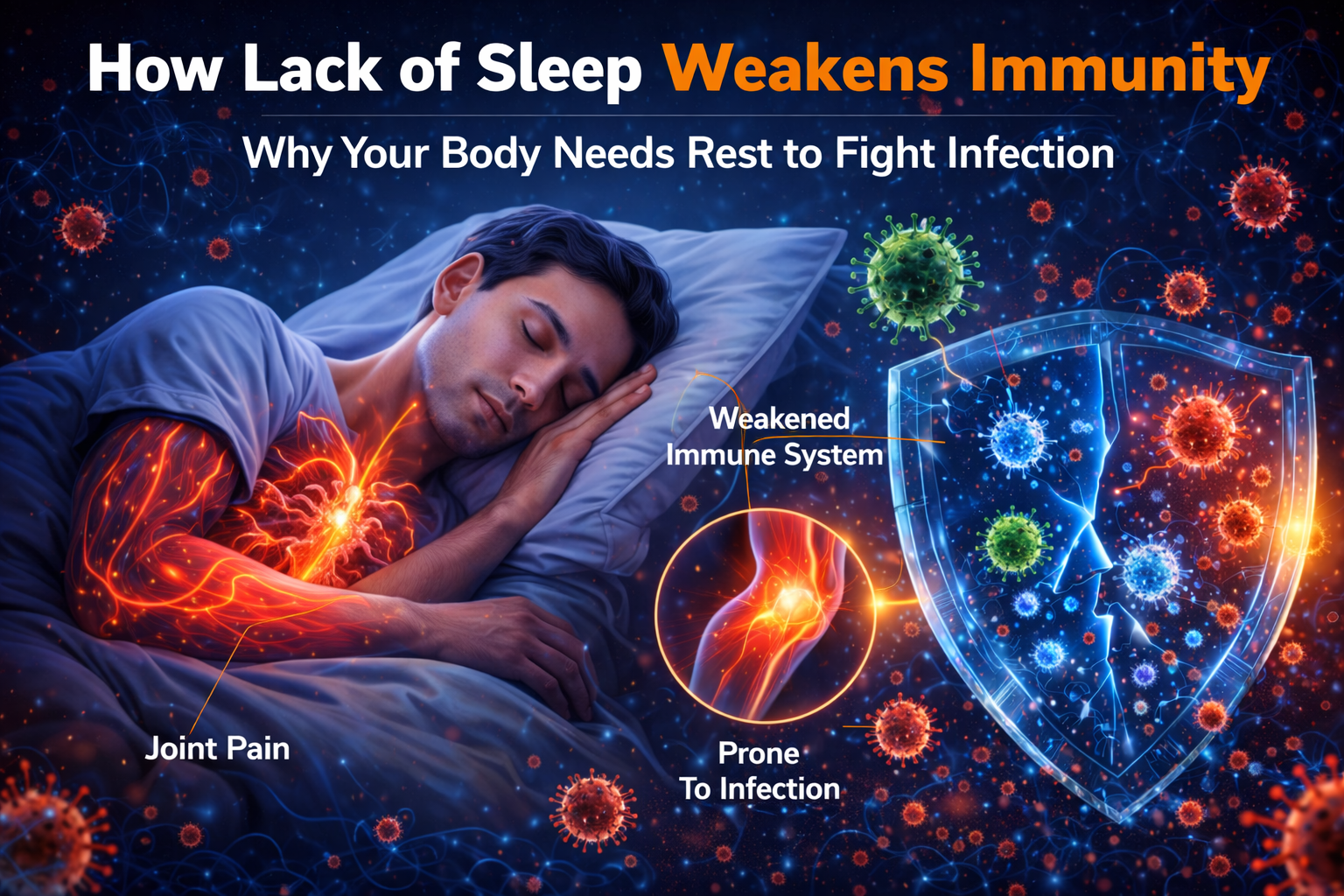
In our high-speed world, sleep is often the first thing we sacrifice to get more done. But what if skipping just one night of rest could slash your immunity by as much as 70%? While we sleep, our bodies aren’t just “switching off”; they are busy running a sophisticated biological security update. From producing essential protective proteins to recharging “Natural Killer” cells, sleep is the hidden engine that powers your immune system. When you deprive yourself of rest, you aren’t just dealing with morning grogginess—you are effectively leaving the front door wide open for pathogens to move in.
The Biological Link Between Sleep and Immunity
The relationship between sleep and immunity is one of the most critical aspects of human health. Science has established that during deep sleep, the immune system releases specialized proteins called cytokines. These are essential for signaling and coordinating a defense against infection and inflammation.

When you lack sleep, your body creates a “communication blackout.” This hinders the production of these protective messengers and reduces the effectiveness of your body’s natural defenses. Chronic sleep deprivation doesn’t just make you tired; it fundamentally re-wires how your immune cells function, leading to a weakened immune system.
1. The “70% Drop”: Why Natural Killer Cells Matter for Immunity
Natural Killer (NK) cells are the “special forces” of your immunity. Unlike other cells that need time to learn about a virus, NK cells are ready to attack immediately. They are your first line of defense against viruses and even early-stage cancer cells.
- The Impact of One Night: Research shows that just 4 hours of sleep for a single night can cause your Natural Killer cell activity to plummet by 70%.
- Sluggish Defense: Without enough rest, the NK cells that remain become sluggish. They lose the ability to produce enzymes needed to destroy invading viruses, significantly lowering your viral immunity.
2. Cytokines: The Secret to Boosting Immunity Naturally
Think of cytokines as the “emergency radio signals” of your immune system. They tell your white blood cells exactly where to go to fight an infection.
- Production During Rest: Your body primarily produces and releases these proteins during sleep.
- The Effect of Sleep Loss: When you skip rest, this “factory” shuts down. Even if you have plenty of white blood cells, they don’t receive the signal to attack.
- Inflammation and Immunity: Lack of sleep can lead to an increase in pro-inflammatory cytokines, which can cause chronic inflammation, a leading factor in weakened immunity and long-term diseases like heart disease.
3. Sleep and Vaccine Effectiveness
When you get a vaccine, you are giving your immunity a “training manual.” For that training to be effective, your body needs deep sleep to build antibodies.
- The Sleep-Vaccine Connection: Research shows that people who sleep fewer than six hours after a vaccination produce a significantly weaker antibody response.
- Ineffective Protection: In some cases, the immune response is so low that the vaccine’s protection becomes virtually ineffective. Deep sleep is when the “memory” of a virus is moved into long-term “immune memory.”
4. Circadian Rhythm: Your Immunity’s Internal Clock
Your circadian rhythm is the internal 24-hour clock that regulates nearly every biological process, including when your immune cells are active.
- Alignment: This rhythm ensures your defenses are “on patrol” during the day when you are most likely to encounter pathogens and in “repair mode” while you sleep.
- Disruption: Late-night screen use or irregular schedules throw this timing into chaos. This disconnect is one of the primary signs of weak immunity, as the body loses its ability to distinguish between a timed defense and a state of emergency.
5. How Much Sleep Do You Need to Support Immunity?
While individual needs vary, the scientific consensus for peak immune function is 7 to 9 hours of quality sleep per night for adults. It isn’t just about the total time in bed; it’s about the quality of that sleep.
| Age Group | Recommended Sleep for Immunity |
| Adults (18-64) | 7 – 9 hours |
| Teens (13-18) | 8 – 10 hours |
| School Age (6-12) | 9 – 12 hours |
6. Practical Tips to Boost Immunity Through Better Sleep
To ensure your body can effectively recharge its immunity, try these evidence-based strategies:
- Consistency is Key: Go to bed and wake up at the same time every day to anchor your immune system’s rhythm.
- Control Your Light: Avoid blue light from phones at least one hour before bed to allow melatonin production, which has its own antioxidant effects on immunity.
- Cool Your Environment: Keep your bedroom cool (around 18°C). A drop in core body temperature signals your brain it’s time for deep, restorative sleep.
- Watch Your Diet: Avoid heavy meals and caffeine close to bedtime, as these disrupt the deep sleep stages where immune recovery happens.
Your immunity is only as strong as your last night’s sleep. By prioritizing rest, you aren’t just avoiding fatigue—you are giving your body the essential tools it needs to identify, attack, and remember dangerous pathogens. In a world that never stops, choosing to sleep is the most productive thing you can do for your immune health.
Also Read:




4 Comments on “How Sleep Affects Immunity: The Science of Immune System Health”