
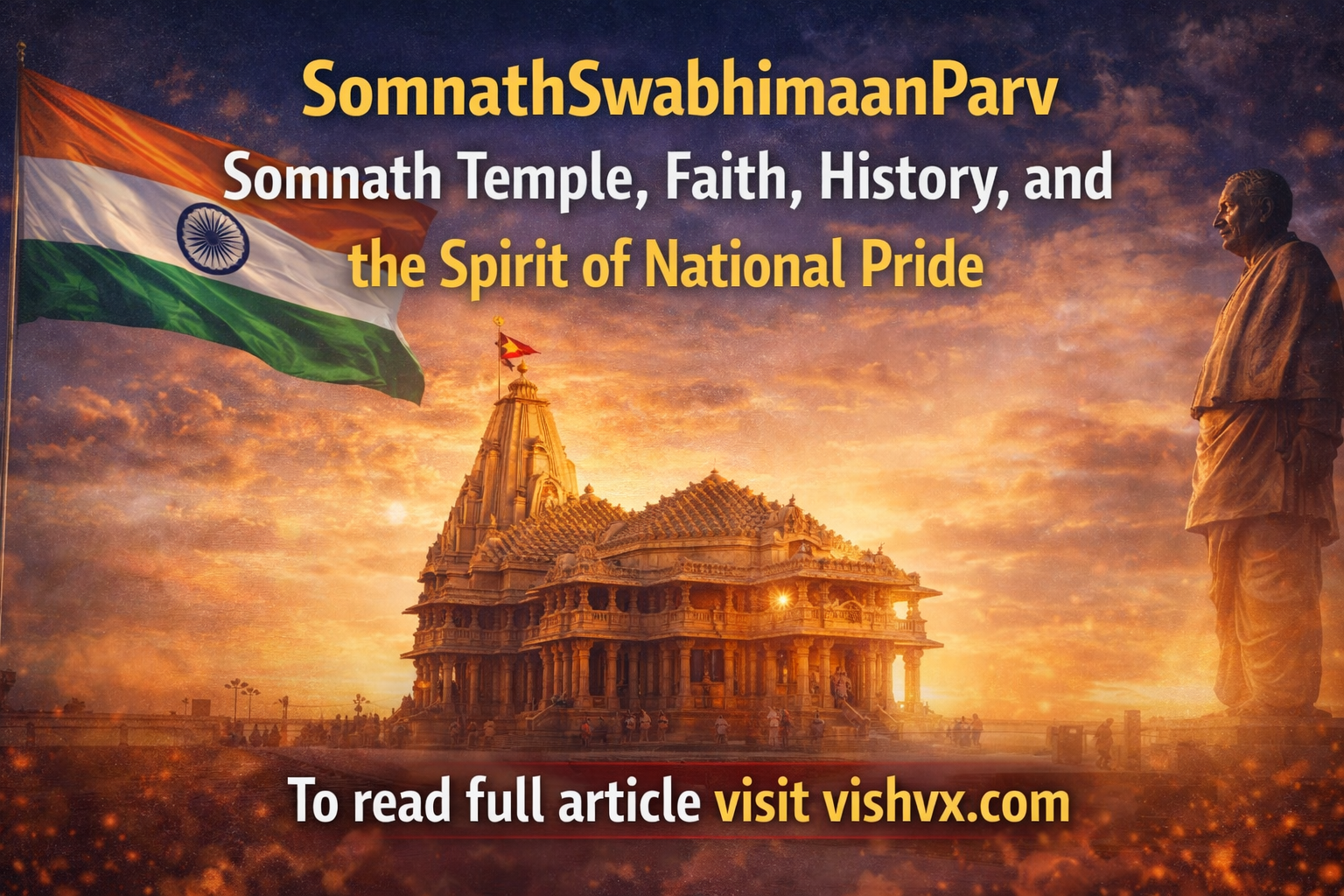
Standing on the shores of the Arabian Sea, the is far more than a place of worship. It is a symbol of resilience, faith, and civilisational continuity. The celebration of Somnath Swabhimaan Parv brings this spirit alive by reconnecting people with the temple’s deep historical roots and its modern role in shaping cultural identity and religious tourism in Gujarat.
This blog explores why Somnath matters, what Swabhimaan Parv represents, and how such events strengthen both national pride and local tourism.
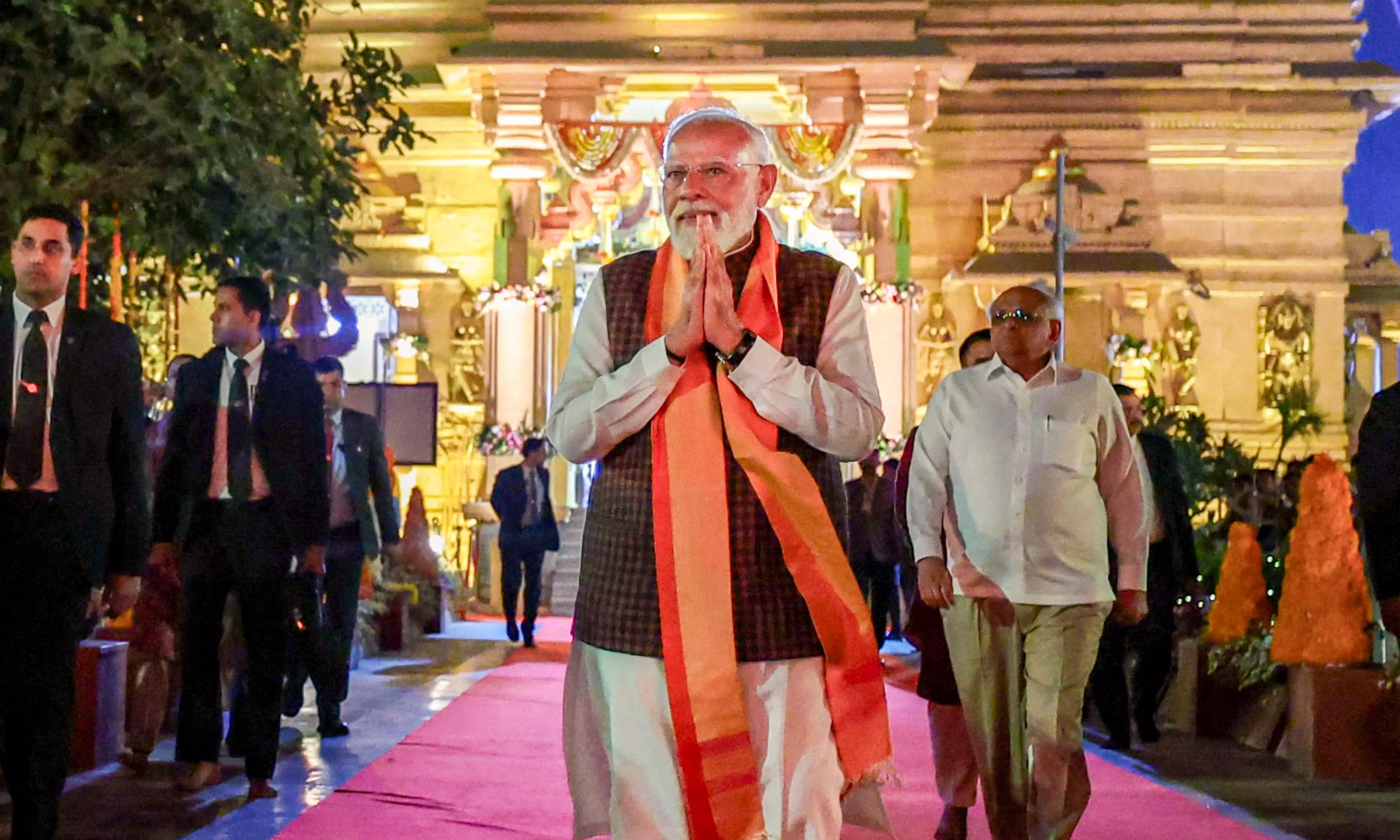
Somnath Temple: Where History and Faith Converge
Somnath is regarded as one of the twelve Jyotirlingas of Lord Shiva, making it one of the holiest sites in Hindu tradition. But its importance goes beyond religion.
Over centuries, the temple was:
- Rebuilt multiple times after destruction
- Remembered as a site of resistance and revival
- Restored in modern India as a symbol of cultural self‑confidence
Every reconstruction told the same story: faith can be challenged, but not erased.
What Is Somnath Swabhimaan Parv?
Swabhimaan means self‑respect or collective pride.
Somnath Swabhimaan Parv is not just a religious event—it is a cultural commemoration.
The core idea behind the Parv:
- Remembering Somnath’s historical journey
- Honouring India’s civilisational endurance
- Celebrating heritage through culture, rituals, and public participation
The festival blends spirituality with history, making it meaningful even for visitors who come as learners rather than pilgrims.

Why Somnath Symbolises National Pride
Somnath’s story resonates with the idea of India’s cultural continuity.
- It reflects the ability to rebuild after loss
- It represents unity beyond regional identity
- It connects ancient traditions with modern India
For many, Somnath is a reminder that heritage is not frozen in the past—it evolves and survives.
Cultural Events That Bring History Alive
During Swabhimaan Parv, Somnath transforms into a living cultural space.
Common highlights include:
- Vedic rituals and special aartis
- Cultural performances inspired by history
- Light and sound shows narrating Somnath’s journey
- Exhibitions on temple architecture and heritage
These elements make history accessible and engaging, especially for younger generations.

Somnath and Religious Tourism in Gujarat
Gujarat has steadily emerged as a major religious tourism destination, and Somnath plays a central role in that growth.
Why Somnath attracts diverse visitors:
- Easy connectivity and improved infrastructure
- Clean, well‑managed temple complex
- Integration with nearby heritage sites
- Spiritual atmosphere combined with coastal beauty
Events like Swabhimaan Parv encourage longer stays and repeat visits, benefiting local communities.
Economic and Social Impact on the Region
Religious festivals are not just symbolic—they have real‑world impact.
Local benefits include:
- Increased employment in hospitality and services
- Boost to small businesses and artisans
- Greater visibility for regional culture
- Strengthened community participation
For towns like Prabhas Patan, such events create a shared sense of ownership and pride.
Why This Matters to Today’s Generation
In an age of fast content and short attention spans, festivals like Swabhimaan Parv serve an important role.
They:
- Encourage cultural curiosity
- Offer historical context beyond textbooks
- Create emotional connection with heritage
- Balance tradition with modern presentation
For young visitors, Somnath becomes not just a temple, but a story worth remembering.
Somnath as a Bridge Between Past and Present
What makes Somnath unique is its ability to remain relevant.
- Ancient rituals continue in a modern setting
- Technology supports storytelling without replacing faith
- Tourism grows without diluting sanctity
This balance is crucial for sustainable heritage preservation.
A Personal Reflection (Reader‑Connect Angle)
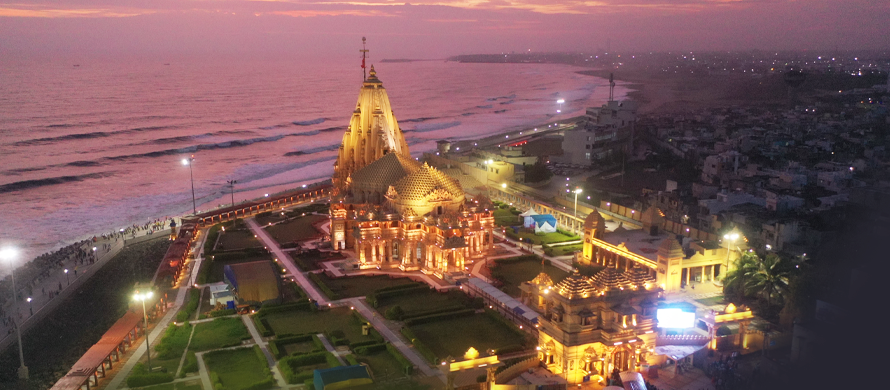
For many visitors, standing before the Somnath temple at sunset—listening to waves and temple bells—is a quiet but powerful experience. It reminds you that history is not always loud. Sometimes, it simply stands still and endures.
That feeling captures the true meaning of Swabhimaan.

Conclusion
Somnath Swabhimaan Parv is more than an event—it is a statement of identity. By celebrating Somnath’s legacy, the festival reinforces the idea that India’s heritage is not just about the past, but about confidence in the present and continuity into the future.
As Gujarat strengthens its position as a hub of religious and cultural tourism, Somnath remains a timeless anchor—rooted in faith, shaped by history, and carried forward by collective pride.