
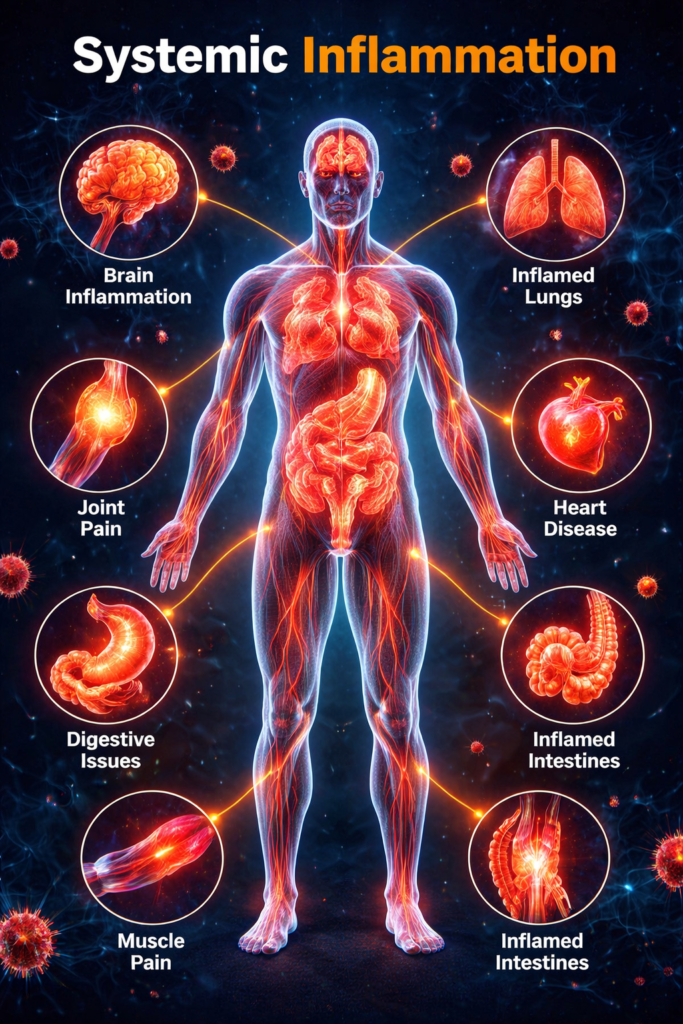
Ever feel like your body is just… “off”? You might be sleeping enough but still waking up tired. Perhaps your joints ache after a mild workout, or you’re dealing with persistent brain fog. These constant, low-grade symptoms are often signs of systemic inflammation—your body’s way of sounding a silent alarm.
While inflammation is a necessary immune response to heal cuts or fight off viruses, chronic inflammation is different. It is a slow burn that damages healthy tissues, joints, and arteries over time. The good news? You can actually eat your way to feeling better.
Nature provides powerful ingredients that help cool down this internal fire. Below, we break down the top 5 foods that act as a natural reset button for your system, supported by science and practical tips on how to use them.
1. Fatty Fish (The Omega-3 Powerhouse)
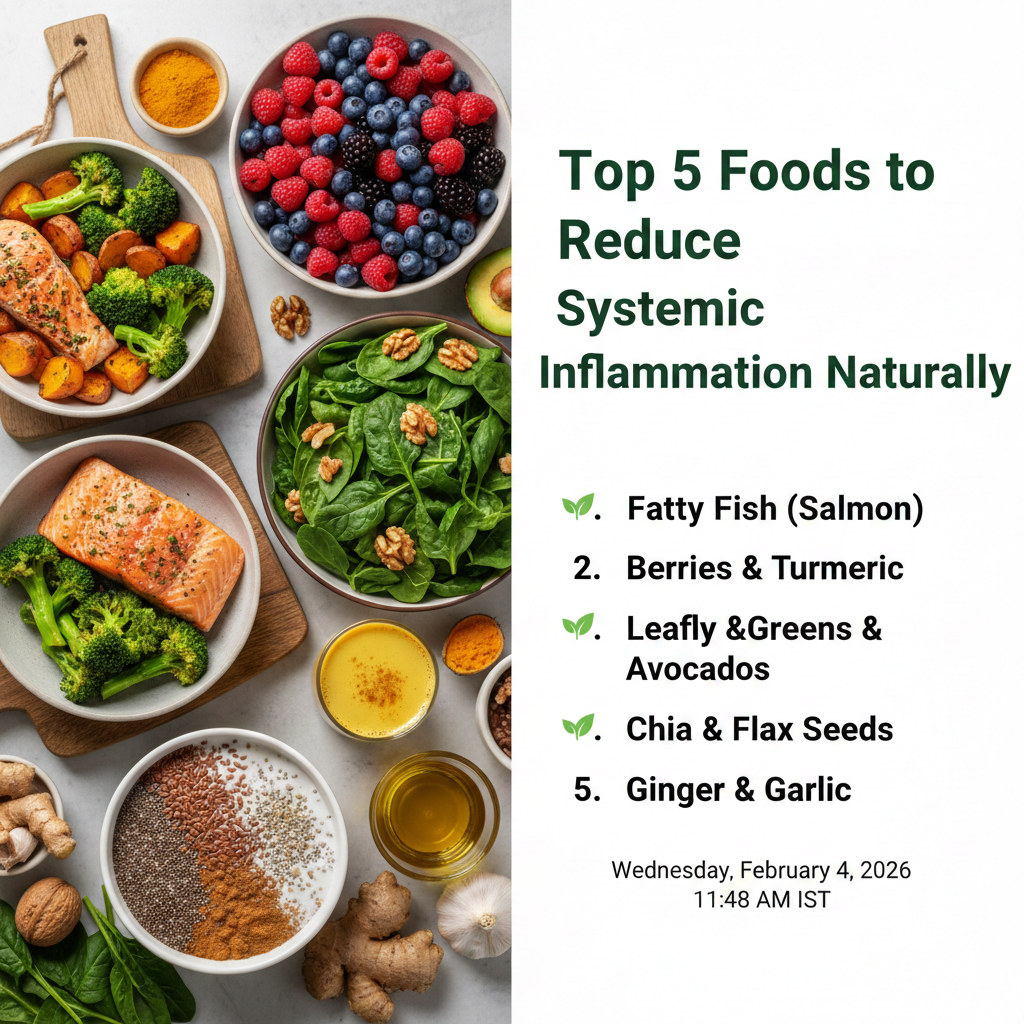
Fatty Fish is the first food to reduce systemic Inflammation naturally.
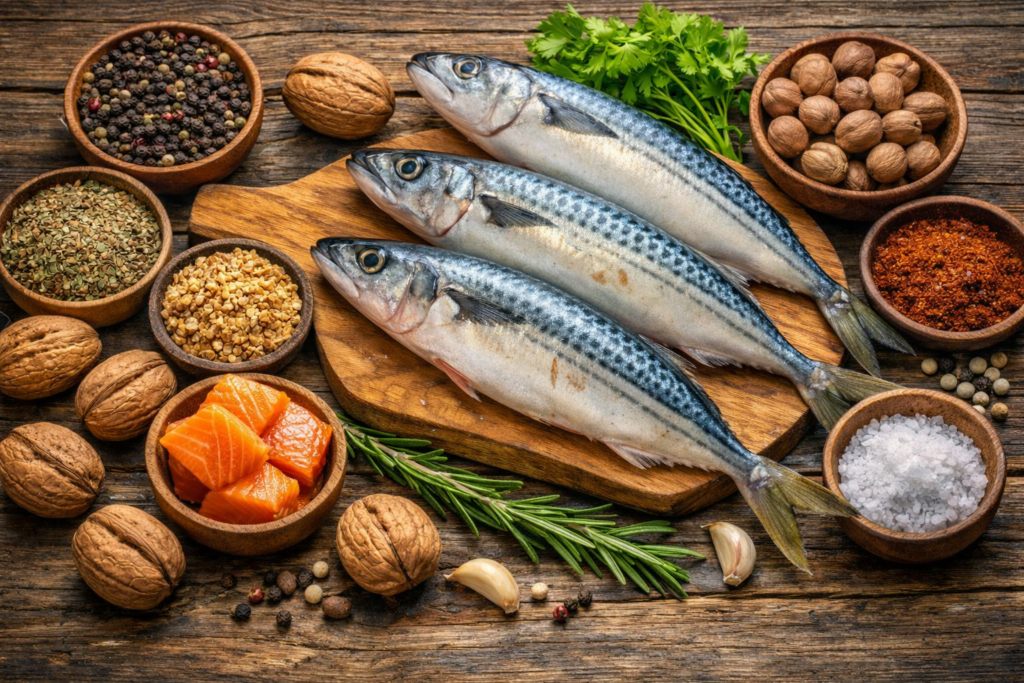
When it comes to an anti-inflammatory diet, fatty fish are the gold standard. Unlike white fish or shellfish, cold-water fatty fish are packed with high concentrations of EPA and DHA (Omega-3 fatty acids).
Why It Works
Omega-3 fatty acids are unique because they don’t just dampen inflammation; they actively resolve it. These fats inhibit the production of substances linked to inflammation, such as cytokines and eicosanoids. Research consistently shows that a diet high in Omega-3s can significantly reduce C-reactive protein (CRP) levels, a key marker of inflammation in the blood.
- Best Options: Wild-caught salmon, sardines, mackerel, anchovies, and herring.
- How to Eat It: Aim for at least two servings (3-4 ounces each) per week. Baking, grilling, or poaching is best to preserve the healthy fats.
- Pro Tip: If you can’t stand the taste of fish, high-quality fish oil supplements are a viable alternative, though whole food sources are always preferred for heart health.
2. Turmeric & Ginger
Turmeric&Ginger is the second food to reduce systemic Inflammation naturally.
Turmeric & Ginger (The Dynamic Duo)
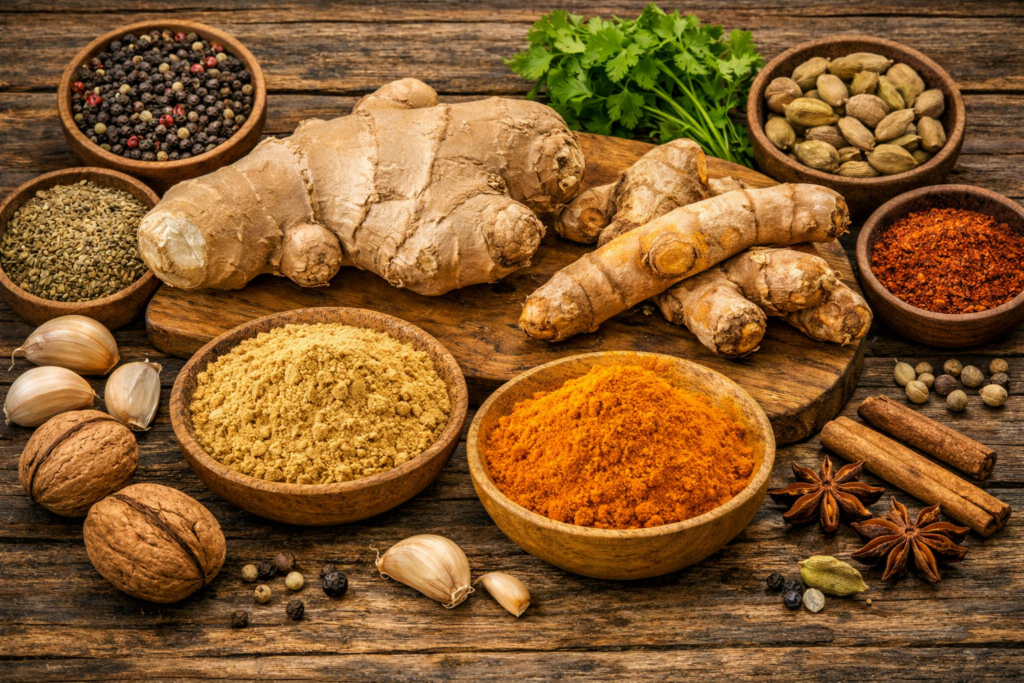
These two roots are staples in traditional medicine for a reason. They share similar properties and are often used together to treat pain and swelling.
Why It Works
Ginger: Contains Gingerol, which has antioxidant and anti-inflammatory properties that can help reduce muscle pain and soreness.
Turmeric: The magic ingredient here is Curcumin. It is a potent anti-inflammatory compound that works similarly to some anti-inflammatory drugs (NSAIDs) by blocking NF-kB, a molecule that travels into the nuclei of your cells and turns on genes related to inflammation.
How to Maximize Absorption
Curcumin is notoriously hard for the body to absorb on its own. To get the benefits, you must pair turmeric with black pepper. Black pepper contains piperine, which boosts curcumin absorption by up to 2,000%.+2
Daily Habit: Try “Golden Milk” (turmeric latte) or add fresh grated ginger to your morning tea for chronic swelling relief.
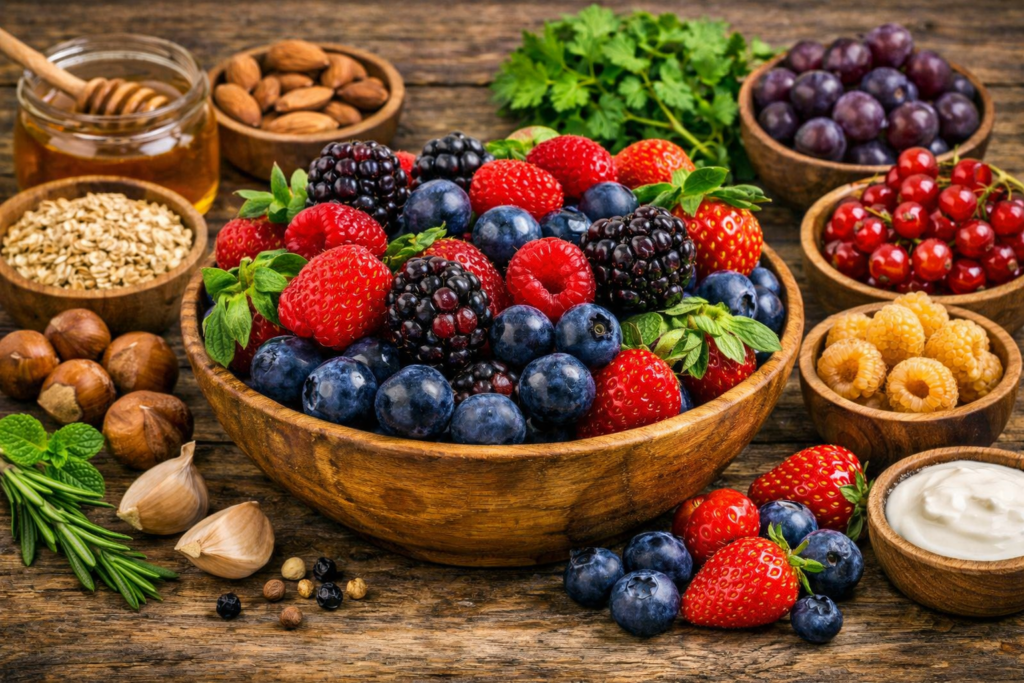
3. Berries (Nature’s Candy)
Berries is the thirdt food to reduce systemic Inflammation naturally.
Berries—specifically blueberries, raspberries, strawberries, and blackberries—are among the most nutrient-dense foods on the planet.
Why It Works
The secret lies in their color. The vibrant reds and blues come from anthocyanins, a type of antioxidant. Systemic inflammation is often fueled by oxidative stress (an imbalance between free radicals and antioxidants in your body). Anthocyanins help neutralize these free radicals, effectively cutting off the fuel source for inflammation.
- Best Choices: Blueberries are often cited as having the highest antioxidant capacity.
- Fresh vs. Frozen: Don’t worry if fresh berries are out of season. Flash-frozen berries retain nearly all their nutrients and are excellent for smoothies or oatmeal.
4. Leafy Greens (The Daily Detox)
Leafy Greens is the fourth food to reduce systemic Inflammation naturally.
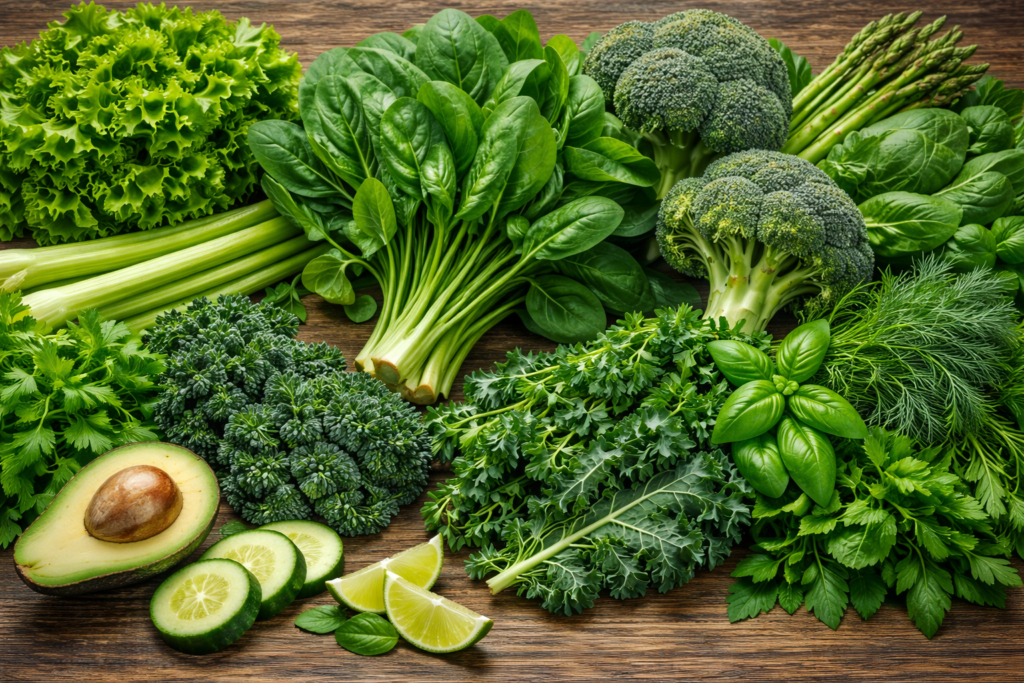
You likely heard “eat your greens” growing up, and for good reason. Darkleafy vegetables like spinach, kale, Swiss chard, and collard greens are essential for cellular repair.
Why It Works
These greens are loaded with antioxidants and Vitamin E(is an antioxidant), which naturally protects the body from pro-inflammatory molecules (cytokines). Furthermore, they are rich in dietary fiber. Since a significant portion of the immune system lives in the gut, maintaining a healthy gut microbiome with fiber is crucial for controlling systemic inflammation.
- Cooking Tip: While raw salads are great, lightly steaming spinach or kale can actually make certain nutrients more bioavailable and easier to digest.
- Variety Matters: Rotate your greens. If you usually eat spinach, try Swiss chard or arugula this week to expose your body to a wider range of phytonutrients.
5. Extra Virgin Olive Oil (Liquid Gold)
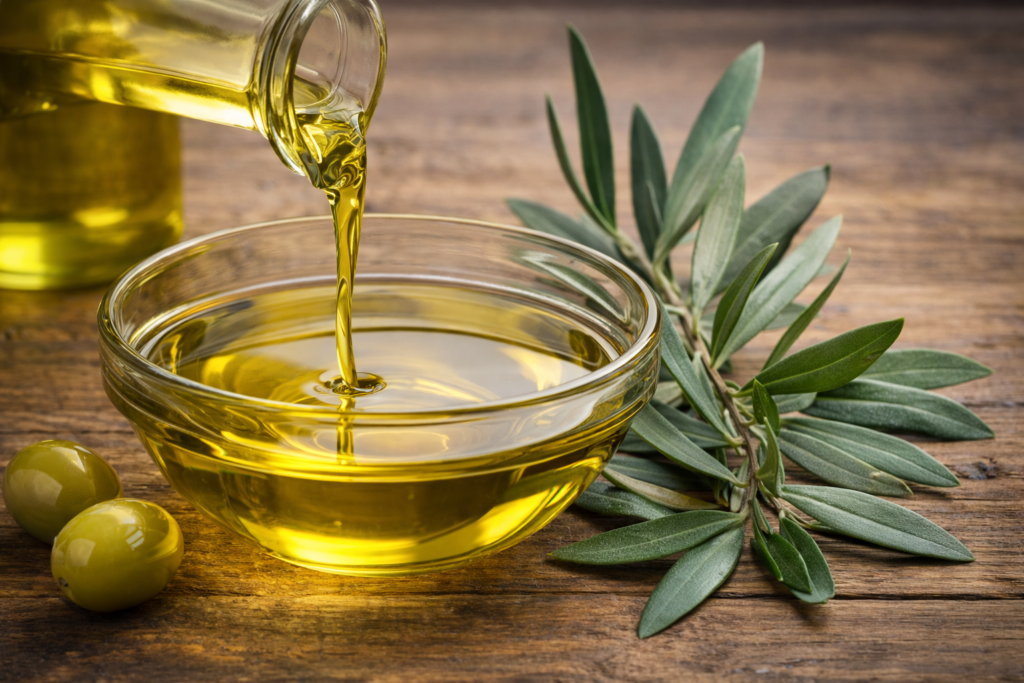
Virgin Oil is the fifth food to reduce systemic Inflammation naturally.
Extra Virgin Olive Oil (EVOO) is the cornerstone of the Mediterranean diet, widely regarded by nutritionists as the best eating pattern for longevity and heart health.
Why It Works
High-quality EVOO contains a specific phenolic compound called oleocanthal. Scientists have found that oleocanthal has a similar effect on the body as ibuprofen, acting as a natural pain reliever and anti-inflammatory agent.+1
- How to Use It: EVOO is best consumed raw or at low heat to preserve its delicate compounds. Drizzle it over your roasted vegetables, use it in salad dressings, or simply dip whole-grain bread in it.
- Buyer Beware: Look for “Extra Virgin” and cold-pressed on the label. Oils that are just labeled “Olive Oil” or “Light Olive Oil” have been refined and stripped of their anti-inflammatory benefits.
Also Read: How Lack of Sleep Weakens Immunity: Why Your Body Needs Rest to Fight Infection
FAQs:
What’s the fastest way to lower inflammation? Cut the sugar and processed junk immediately. Replacing them with fatty fish or turmeric can help you feel less “puffy” and more energized in just a few weeks.
Can I drink my way to less inflammation? Definitely. Green tea and water are your best friends. They help flush out toxins, while sugary sodas do the exact opposite.
How do I know if I have it? If you’re always tired, have “brain fog,” or your joints feel stiff every morning, your body is likely dealing with low-grade systemic inflammation.
Does coffee help or hurt? Good news: Coffee is anti-inflammatory! Just keep it healthy by skipping the heavy sugar and processed creamers.
Summary
You don’t need a complicated detox plan to lower inflammation. By simply adding more fatty fish, vibrant berries, leafy greens, spices, and olive oil to your weekly rotation, you provide your body with the tools it needs to repair itself.
Disclaimer: This article is for informational purposes only and does not constitute medical advice. Always consult with a healthcare professional before making significant changes to your diet.
This video provides a deep dive into how specific foods like berries and sprouts target inflammation to improve daily energy and long-term health.







3 Comments on “Top 5 Foods to Reduce Systemic Inflammation Naturally”