World Tuberculosis Day 2026: Uniting to End a Global Health Crisis
World Tuberculosis Day 2026 marks a critical juncture in our ongoing battle against one of humanity’s oldest and deadliest infectious diseases.
Observed annually on March 24th, this significant global health observance serves as a vital platform to raise awareness about the devastating impact of tuberculosis (TB) and to accelerate efforts to end the global TB epidemic. In 2026, the focus will undoubtedly sharpen on achieving ambitious targets, fostering innovation, and ensuring that no one is left behind in the fight against this preventable and curable disease.
TB, a disease caused by the bacterium Mycobacterium tuberculosis, primarily affects the lungs but can also damage other parts of the body. While progress has been made, TB remains a formidable public health challenge, claiming far too many lives each year and disproportionately affecting vulnerable populations. World Tuberculosis Day 2026 is an opportune moment to reflect on the strides made, acknowledge the persistent hurdles, and galvanize collective action towards a TB-free world.
Understanding Tuberculosis: The Persistent Threat
Before delving into the specifics of World Tuberculosis Day 2026, it’s essential to grasp the nature of the disease itself. Tuberculosis is not a relic of the past; it is a present-day reality that impacts millions worldwide.
What is Tuberculosis (TB)?
Tuberculosis is an airborne infectious disease spread through the air when an infected person coughs, sneezes, or speaks. The bacteria can lie dormant in the body, but if the immune system weakens, the bacteria can become active and cause illness.
The Global Burden of TB
Despite advancements in diagnostics and treatment, TB continues to be a leading cause of death worldwide. According to the World Health Organization (WHO), TB caused an estimated 1.3 million deaths in 2022 alone. This grim statistic underscores the urgency of intensified global efforts. The disease disproportionately affects low- and middle-income countries, where access to healthcare, nutrition, and living conditions can be challenging.
Symptoms and Diagnosis
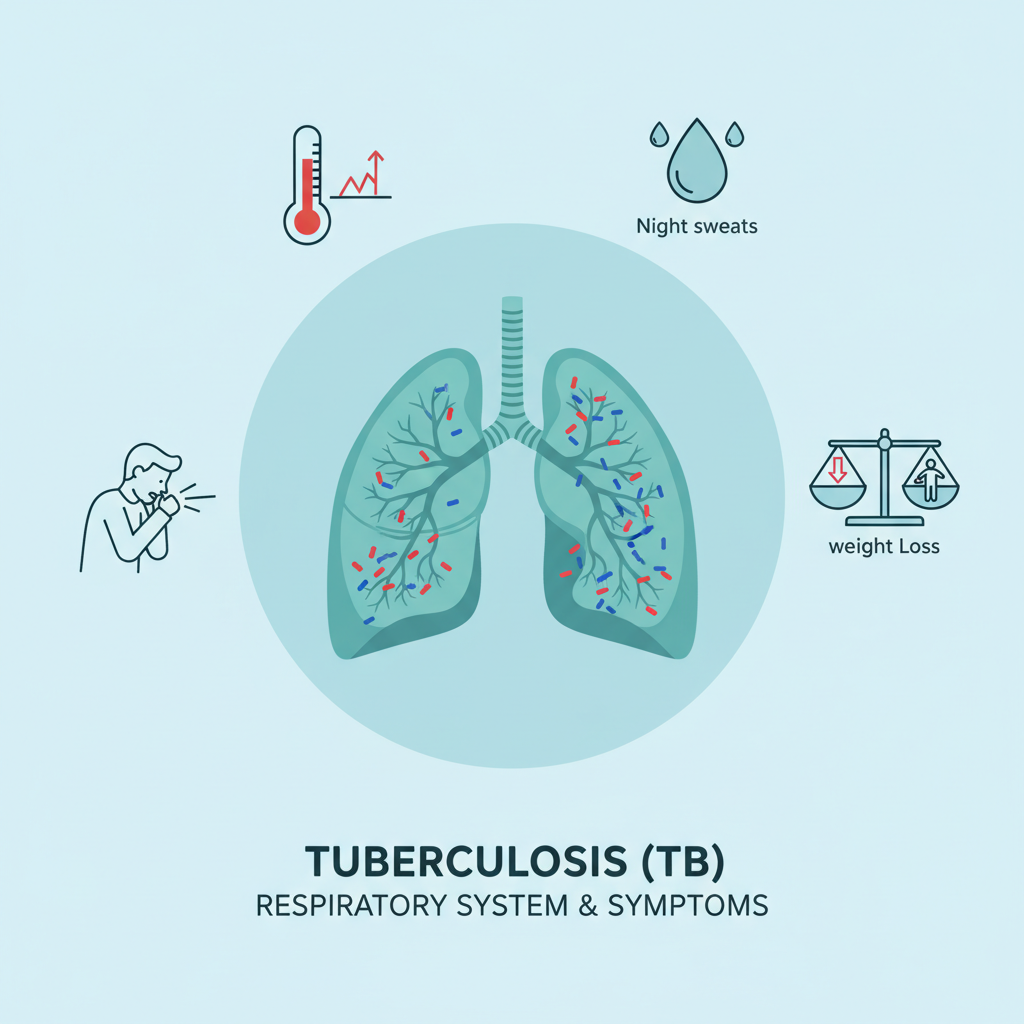
Recognizing the symptoms of TB is crucial for early detection and treatment. Common symptoms include:
- A persistent cough, often with phlegm and sometimes blood
- Chest pain
- Fever
- Night sweats
- Unexplained weight loss
- Fatigue
Diagnosis typically involves a combination of methods, including sputum microscopy, culture, molecular tests (like GeneXpert MTB/RIF), and chest X-rays. Early and accurate diagnosis is key to preventing transmission and improving patient outcomes.
Treatment and Prevention
TB is curable and preventable. Treatment involves a course of antibiotics, usually for six to nine months. Completing the full course of treatment is vital to ensure the infection is eradicated and to prevent the development of drug-resistant TB. Prevention strategies include:
- Vaccination: The BCG vaccine is available and can protect children from severe forms of TB.
- Infection control: Measures in healthcare settings and communities to prevent the spread of airborne bacteria.
- Preventive therapy: For individuals who have been exposed to TB or are at high risk.
- Addressing social determinants: Improving living conditions, nutrition, and access to healthcare.
World Tuberculosis Day: A Global Call to Action
World Tuberculosis Day, observed on March 24th, commemorates the day in 1882 when Dr. Robert Koch announced his discovery of Mycobacterium tuberculosis, the bacterium responsible for TB. His groundbreaking work paved the way for diagnosing and eventually treating the disease.
The Significance of March 24th
The choice of March 24th is deeply symbolic. It represents a pivotal moment in scientific history that offered hope and a path towards combating a disease that had plagued humanity for centuries. Each year, on this day, the global community comes together to remember the victims of TB, celebrate the progress made, and recommit to the fight.
Evolution of World Tuberculosis Day
Over the decades, World Tuberculosis Day has evolved from a scientific commemoration to a major global health advocacy event. It provides a platform for:
- Raising public awareness: Educating communities about TB, its symptoms, and how to prevent and treat it.
- Advocating for policy change: Urging governments and international organizations to prioritize TB control and allocate necessary resources.
- Sharing research and innovation: Highlighting new diagnostic tools, treatments, and prevention strategies.
- Mobilizing communities: Encouraging individuals, healthcare workers, and civil society organizations to play an active role in TB elimination efforts.
World Tuberculosis Day 2026: Theme and Objectives
While the official theme for World Tuberculosis Day 2026 will be announced closer to the date by the WHO, it is expected to build upon the momentum of previous years, focusing on urgency, innovation, and equity. Past themes have included “It’s Time to End TB” and “Invest to End TB. Save Lives.”
Anticipated Focus Areas for 2026
Based on current global health trends and the ongoing challenges in TB control, World Tuberculosis Day 2026 will likely emphasize:
- Accelerating Progress Towards TB Elimination: With ambitious global targets set by the WHO and the United Nations Sustainable Development Goals (SDGs), 2026 will be a crucial year for assessing progress and intensifying efforts to reach these milestones. The SDG target is to end the TB epidemic by 2030.
- Innovation in Diagnostics and Treatment: The development and deployment of faster, more accurate diagnostic tools and shorter, more effective treatment regimens are critical. This includes advancements in molecular diagnostics, shorter drug regimens for drug-resistant TB, and novel drug development.
- Equitable Access to Care: Ensuring that everyone, especially the most vulnerable and marginalized populations, has access to quality TB prevention, diagnosis, and treatment services. This involves addressing barriers such as poverty, stigma, and lack of healthcare infrastructure.
- Strengthening Global Solidarity and Investment: TB is a global problem that requires global solutions. Increased political will, sustained funding, and collaborative partnerships between governments, researchers, healthcare providers, and communities are essential.
- Addressing Drug-Resistant TB (DR-TB): DR-TB poses a significant threat to global health security. Continued focus on preventing, diagnosing, and treating DR-TB is paramount.
The Role of the WHO and Global Partners
The World Health Organization (WHO) plays a central role in coordinating global TB efforts. It sets norms and standards, provides technical support to countries, and monitors the global TB situation. On World Tuberculosis Day 2026, the WHO will likely launch new reports, host high-level meetings, and disseminate key messages to galvanize action.
Global partners, including national governments, non-governmental organizations (NGOs), research institutions, and the private sector, will also be instrumental in organizing events, conducting awareness campaigns, and implementing TB control programs.
Case Study: A Community’s Triumph Over TB Stigma
In the bustling city of [Fictional City Name], a pervasive stigma surrounding TB hindered effective control efforts for years. Residents, fearing discrimination and social exclusion, often delayed seeking medical help, allowing the disease to spread silently.
The Challenge
A significant portion of the population in [Fictional City Name] worked in informal sectors with precarious living conditions, making them more susceptible to TB. The stigma associated with the disease, often linked to poverty and poor hygiene, created a powerful barrier to diagnosis and treatment. Many individuals who suspected they had TB would suffer in silence, fearing job loss, ostracism from their families, and community judgment. This led to delayed diagnoses, advanced disease at presentation, and increased transmission rates within households and communities.
The Intervention
Recognizing the critical role of community engagement and stigma reduction, a coalition of local health NGOs, community leaders, and healthcare providers launched an innovative campaign in the lead-up to World Tuberculosis Day. Their strategy involved:
- Peer Education Programs: Training individuals who had successfully completed TB treatment to become “TB Ambassadors.” These ambassadors shared their personal stories of recovery and resilience within their communities, humanizing the disease and demystifying the treatment process.
- Community Health Camps: Organizing regular health camps in accessible community spaces, offering free TB screening, counseling, and basic health check-ups. These camps were designed to be non-judgmental and welcoming, creating a safe environment for individuals to seek help.
- Media Campaigns: Utilizing local radio, community newspapers, and social media platforms to broadcast messages that promoted understanding, empathy, and early help-seeking. These campaigns featured diverse voices, including respected community elders and local celebrities, to amplify the message.
- Stigma Reduction Workshops: Conducting workshops for healthcare workers, community leaders, and employers to raise awareness about the impact of stigma and promote compassionate care and supportive policies.
Key Initiatives and Innovations for TB Elimination
The fight against TB is dynamic, constantly evolving with new scientific discoveries and strategic approaches. World Tuberculosis Day 2026 will highlight these advancements.
Advancements in Diagnostics
- Molecular Diagnostics: Technologies like the GeneXpert MTB/RIF assay have revolutionized TB diagnosis, providing rapid and accurate detection of TB bacteria and resistance to rifampicin, a key drug. Continued development aims for even faster, point-of-care diagnostics.
- AI-Powered Imaging: Artificial intelligence (AI) is being explored to analyze chest X-rays and CT scans, potentially speeding up diagnosis, especially in resource-limited settings.
- Biomarker Discovery: Research into host-response biomarkers holds promise for developing new diagnostic tests that can detect TB infection earlier and distinguish between active TB disease and latent infection.
Novel Treatment Regimens
- Shorter Treatment Courses: Significant progress has been made in developing shorter, all-oral treatment regimens for drug-resistant TB, reducing treatment duration from up to two years to six months.
- New Anti-TB Drugs: The development pipeline for new TB drugs is gaining momentum, offering hope for treating strains resistant to existing medications.
- Personalized Medicine: Research is exploring how to tailor TB treatment based on individual patient factors and the specific characteristics of the TB strain.
Digital Health and Telemedicine
The integration of digital tools and telemedicine offers new avenues for TB care, especially in remote areas. This includes:
- Remote patient monitoring: Using mobile apps and wearable devices to track patient adherence to medication and monitor symptoms.
- Teleconsultations: Connecting patients with TB specialists remotely for diagnosis and treatment guidance.
- Digital data management: Streamlining TB surveillance, reporting, and program management.
Addressing Social Determinants of Health
Recognizing that TB is intricately linked to poverty, malnutrition, inadequate housing, and lack of education, World Tuberculosis Day 2026 will likely emphasize the importance of addressing these underlying social determinants. This involves:
- Poverty reduction programs: Improving economic opportunities and social protection for vulnerable populations.
- Nutritional support: Ensuring access to adequate nutrition for individuals with TB and those at risk.
- Improved housing and sanitation: Creating healthier living environments to reduce transmission.
- Education and awareness campaigns: Empowering communities with knowledge about TB prevention and care.
Global Targets and the Road to 2030
The global community has set ambitious targets for TB elimination, enshrined in the United Nations Sustainable Development Goals (SDGs). SDG 3.3 aims to “end the epidemics of AIDS, tuberculosis, malaria and neglected tropical diseases and combat hepatitis, water-borne diseases and other communicable diseases” by 2030.
The End TB Strategy
The WHO’s End TB Strategy provides a roadmap for achieving these goals. It calls for a 90% reduction in TB deaths and an 80% reduction in the TB incidence rate by 2030, compared to 2015 levels. World Tuberculosis Day 2026 will be a critical moment to assess progress towards these targets.
Challenges in Reaching Targets
Despite advancements, several challenges impede progress:
- Funding Gaps: There remains a significant funding shortfall for TB research, prevention, and treatment programs globally.
- Drug Resistance: The rise of multi-drug resistant TB (MDR-TB) and extensively drug-resistant TB (XDR-TB) complicates treatment and increases costs.
- Stigma and Discrimination: These continue to deter individuals from seeking care and adhering to treatment.
- Co-infections: TB often co-exists with other conditions like HIV and diabetes, making management more complex.
- Pandemic Impact: The COVID-19 pandemic disrupted TB services worldwide, leading to setbacks in diagnosis and treatment.
The Role of Political Commitment
Sustained political will and increased investment from national governments and international bodies are crucial. World Tuberculosis Day 2026 will serve as a platform to urge leaders to recommit to TB elimination and translate pledges into tangible action.
Call to Action for World Tuberculosis Day 2026
Ending TB requires a concerted and collaborative effort from all sectors of society. World Tuberculosis Day 2026 is an opportunity to amplify our collective voice and accelerate action.
For Governments and Policymakers
- Increase funding: Allocate adequate domestic and international resources for TB control programs.
- Strengthen health systems: Invest in primary healthcare, diagnostics, and surveillance systems.
- Implement supportive policies: Address social determinants of health and combat stigma.
- Prioritize TB in national agendas: Integrate TB elimination into broader health and development strategies.
For Healthcare Professionals
- Early diagnosis and prompt treatment: Ensure all patients with suspected TB are diagnosed and treated promptly.
- Patient-centered care: Provide compassionate and supportive care, addressing individual needs and concerns.
- Adherence support: Implement strategies to ensure patients complete their full course of treatment.
- Infection control: Maintain rigorous infection control measures in healthcare settings.
For Communities and Civil Society
- Raise awareness: Educate communities about TB, its symptoms, and prevention.
- Combat stigma: Challenge myths and misconceptions surrounding TB and promote a supportive environment.
- Advocate for change: Urge governments and policymakers to prioritize TB elimination.
- Support affected individuals: Provide emotional and practical support to patients and their families.
For Researchers and Innovators
- Develop new tools: Continue research into faster diagnostics, effective treatments, and preventative strategies.
- Share knowledge: Collaborate and share findings to accelerate progress.
- Translate research into practice: Ensure new innovations are accessible and affordable for those who need them most.
For Individuals
- Seek medical attention: If you experience symptoms of TB, consult a healthcare professional immediately.
- Complete treatment: If diagnosed with TB, adhere strictly to your prescribed treatment regimen.
- Practice preventive measures: Support infection control and healthy living.
- Be informed and supportive: Educate yourself and others about TB and challenge stigma.
Conclusion: A Shared Responsibility for a TB-Free Future
World Tuberculosis Day 2026 is more than just an annual observance; it is a powerful reminder of our shared responsibility to confront and conquer a disease that has afflicted humanity for millennia. While the path to eliminating TB is challenging, it is not insurmountable.
Through continued innovation, unwavering commitment, global solidarity, and a focus on equity, we can accelerate progress towards a world where no one suffers or dies from this preventable and curable disease. The momentum generated on World Tuberculosis Day 2026, building on decades of effort, will be crucial in achieving the ambitious goals set for 2030 and beyond. Let us unite in this vital cause, ensuring that future generations inherit a world free from the burden of tuberculosis.
Frequently Asked Questions (FAQs)
Q1: What is the main goal of World Tuberculosis Day?
A1: The main goal of World Tuberculosis Day, observed annually on March 24th, is to raise public awareness about the devastating health, social, and economic consequences of tuberculosis (TB) and to intensify efforts to end the global TB epidemic. It commemorates the day in 1882 when Dr. Robert Koch announced the discovery of the TB bacterium, a landmark achievement that paved the way for diagnosis and treatment.
Q2: How is TB spread?
A2: Tuberculosis is primarily spread through the air when a person with active pulmonary TB coughs, sneezes, speaks, or sings. Tiny droplets containing the Mycobacterium tuberculosis bacteria are released into the air and can be inhaled by others. It is not spread through casual contact like shaking hands, sharing food, or touching surfaces.
Q3: Is TB curable?
A3: Yes, TB is a curable disease. Treatment typically involves a course of antibiotics taken for several months (usually 6-9 months). It is crucial for patients to complete the entire prescribed treatment regimen to ensure the infection is fully eradicated and to prevent the development of drug-resistant TB.
Q4: What are the most common symptoms of TB?
A4: The most common symptoms of active pulmonary TB include a persistent cough (often with phlegm and sometimes blood), chest pain, fever, unexplained weight loss, fatigue, and night sweats. Symptoms can vary if TB affects other parts of the body. Early recognition of these symptoms and seeking medical help are vital.
Q5: How can I get involved in the fight against TB?
A5: You can get involved in several ways:
- Educate yourself and others: Learn about TB and share accurate information to combat stigma.
- Support awareness campaigns: Participate in events and initiatives organized for World Tuberculosis Day.
- Advocate for action: Urge your elected officials to prioritize TB control funding and policies.
- Support TB organizations: Donate to or volunteer with reputable organizations working to end TB.
- Practice healthy habits: Maintain good personal hygiene and a strong immune system.
Q6: What is drug-resistant TB?
A6: Drug-resistant TB (DR-TB) occurs when the TB bacteria develop resistance to one or more of the standard anti-TB drugs. This can happen if treatment is not completed correctly, if drugs are of poor quality, or through person-to-person transmission of resistant strains. DR-TB is harder and more expensive to treat, often requiring longer treatment durations with more toxic drugs. Preventing the emergence and spread of DR-TB is a critical component of global TB control efforts.